How Much Does a 3 T/H Extrusion Granulation Process Machine Cost?

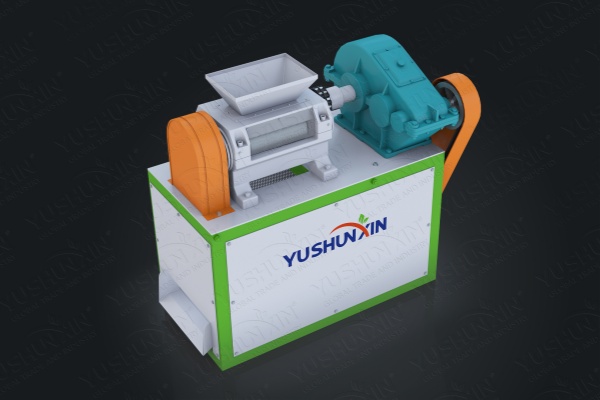
Fertilizer plant owners often evaluate a 3 t/h extrusion granulation process machine before they add a small organic or NPK granulation line. The cost depends on machine configuration, raw material moisture, and the number of supporting units such as crushers, mixers, and screens. You can process chicken manure, crop straw, humic acid, and sewage sludge through a dry roller press without a large dryer. When you estimate the cost, you review capacity, roller size, and the scope of the fertilizer machinery.
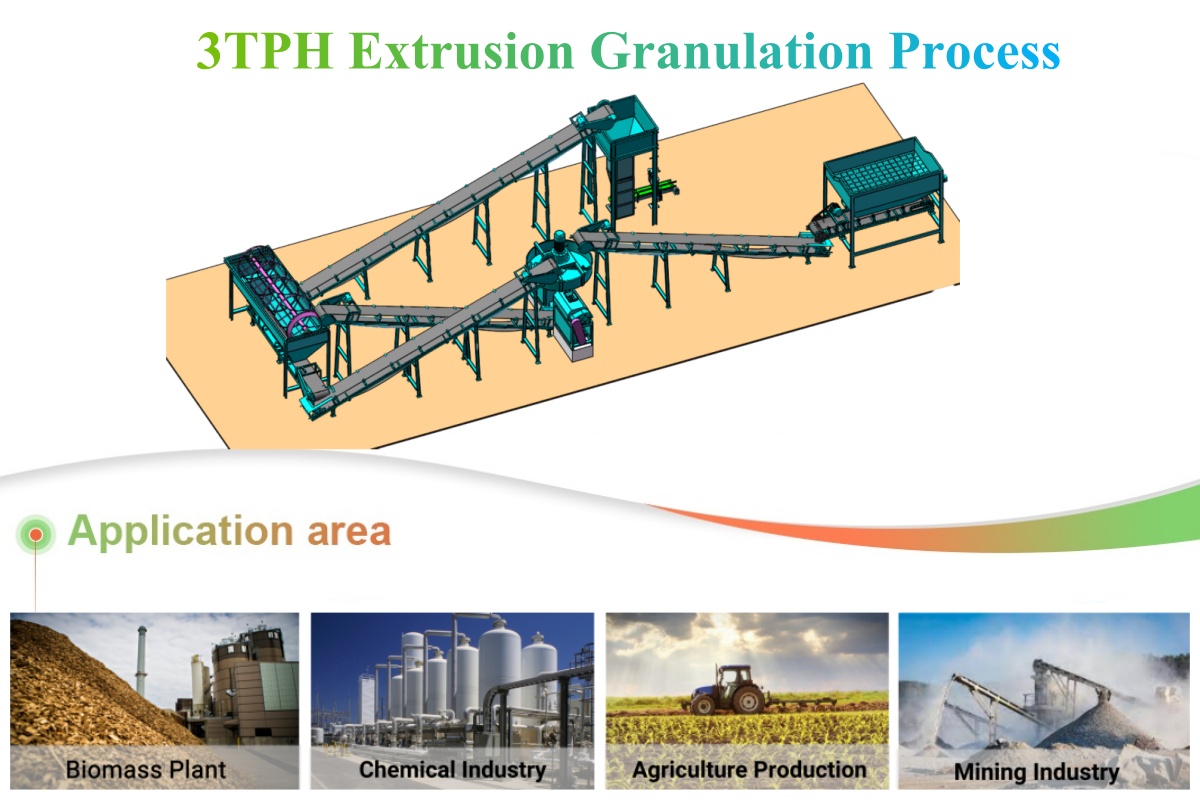
3 t/h extrusion granulation process machine

3 t/h extrusion granulation process machine

Which factors change a 3 t/h extrusion granulation process machine cost?

Capacity, roller size, motor power, and auxiliary equipment change a 3 t/h extrusion granulation process machine cost. You can choose a basic machine with a mixer and a screen, or a complete system with a crusher, conveyor, and packing scale. You can also compare the general principles of organic fertilizer processing when you decide whether drying is necessary. This review helps you keep the fertilizer production budget clear.

How does a 3 t/h extrusion granulation process machine system reduce drying cost?

A 3 t/h extrusion granulation process machine system reduces drying cost because the double roller press forms granules at room temperature. You can mix the organic powder, feed it into the rollers, and move the pellets to screening and packing without a steam dryer. Organic fertilizer extrusion technology supports this dry forming route and keeps the fertilizer processing plant compact.

Which machine combination creates a complete 3 t/h extrusion granulation process machine line?

A 3 t/h extrusion granulation process machine line usually includes a crusher, a mixer, the roller press, a screening machine, and a packing scale. You can add a rotary dryer only when the raw material carries too much moisture. This staged layout protects the fertilizer machinery and keeps the fertilizer manufacturing process stable.

Which output and granule size should a small fertilizer plant reserve?

A small fertilizer plant can reserve a granule size from about 3 mm to 10 mm and keep the hourly output close to 3 tons. You can adjust the roller socket shape and size according to the market requirement. This flexibility helps your team produce uniform pellets and avoid overloading the fertilizer extrusion line.

Why should a 3 t/h extrusion granulation process machine line include a crusher and screen?

A 3 t/h extrusion granulation process machine line should include a crusher and screen because uniform feedstock improves roller pressing and product quality. The crusher breaks oversized organic material before the mixer, and the screen removes fine or oversize granules after pressing. You can return the off-size material to the crusher for another pass. This loop keeps the fertilizer extrusion line balanced and protects the fertilizer machinery from uneven loads.

To summarize, a 3 t/h extrusion granulation process machine cost depends on machine scope, moisture control, and supporting equipment. You can choose a dry roller press line to reduce energy use and drying investment. A fertilizer machinery manufacturer can help you configure the complete system. Yushunxin provides this extrusion granulation equipment. If you have interests, you can learn more about https://www.extruder-granulator.com/3-t-h-extrusion-granulation-process
Automatic Bulk Blending Fertilizer Plant: How Automation Improves Fertilizer Production

When you plan to build a bulk blending fertilizer project, automation can help you improve production management, formula control, and operating efficiency. Compared with traditional manual operation, an automated system can connect material feeding, weighing, mixing, and packaging processes into a smoother workflow.

For fertilizer manufacturers, the goal is not only higher output but also stable product quality, flexible formula adjustment, and easier production management.

How Can Automation Improve Fertilizer Blending Accuracy?

In a bulk blending fertilizer plant, different granular raw materials need to be measured and mixed according to specific formulas. Accurate proportion control influences the consistency of the final fertilizer product.

An automatic fertilizer blending plant can integrate weighing, batching, and mixing processes to help you manage different fertilizer formulas more efficiently.

With automated control, you can adjust production parameters according to your product requirements and reduce dependence on manual operation during repeated production cycles.

What Equipment Makes an Automatic Blending System Work?

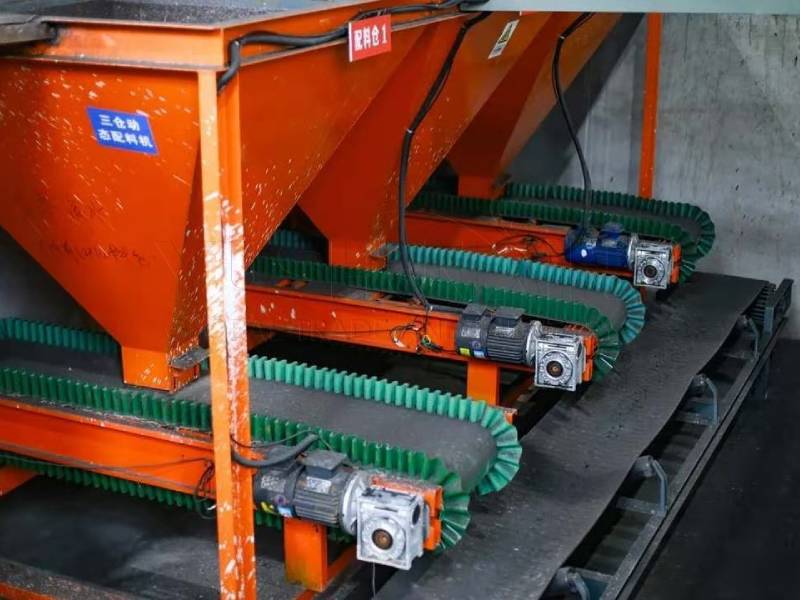
A complete automated blending solution usually includes storage hoppers, weighing systems, conveyors, mixers, control systems, and packaging equipment.

The feeding stage plays an important role because stable material supply affects the whole production process. An automatic fertilizer feeding equipment solution can help transfer raw materials smoothly from storage to the batching and mixing sections.

When planning your project, you can also consider factory layout, raw material types, and future expansion possibilities to create a more suitable production system.

Automatic Batching Bin and Weighing Scale

How Does Production Capacity Influence Your Automation Design?

Different production scales require different equipment configurations. A small blending line may focus on flexible operation, while a large commercial project may require higher automation levels and continuous production capability.

For example, a 50 tph bulk blending fertilizer plant involves higher material handling requirements and more efficient production coordination.

When evaluating your fertilizer blending business investment cost, you can consider not only equipment purchase but also labor requirements, production efficiency, maintenance, and future market development.

How Can Automated Packaging Complete the Production Process?

After blending, fertilizer products need accurate weighing and efficient packaging before transportation and sales.

An automatic fertilizer bagging system can connect with the blending line to improve the final handling process, helping you create a complete production workflow from raw materials to finished fertilizer bags.

Click here for more details to explore complete bulk blending fertilizer solutions.

Build a Smarter Bulk Blending Fertilizer Solution

An automatic bulk blending fertilizer plant combines accurate batching, efficient mixing, and streamlined packaging into one production system. By matching automation levels with your capacity, raw materials, and business goals, you can create a solution that supports long-term fertilizer production.

For more information about bulk blending fertilizer plants and automation solutions, you can visit https://www.shunxin.eu/bulk-blending-fertilizer-plant/

How Do You Choose a Double Roller Press Granulator by Raw Material, Capacity, and Granule Size?

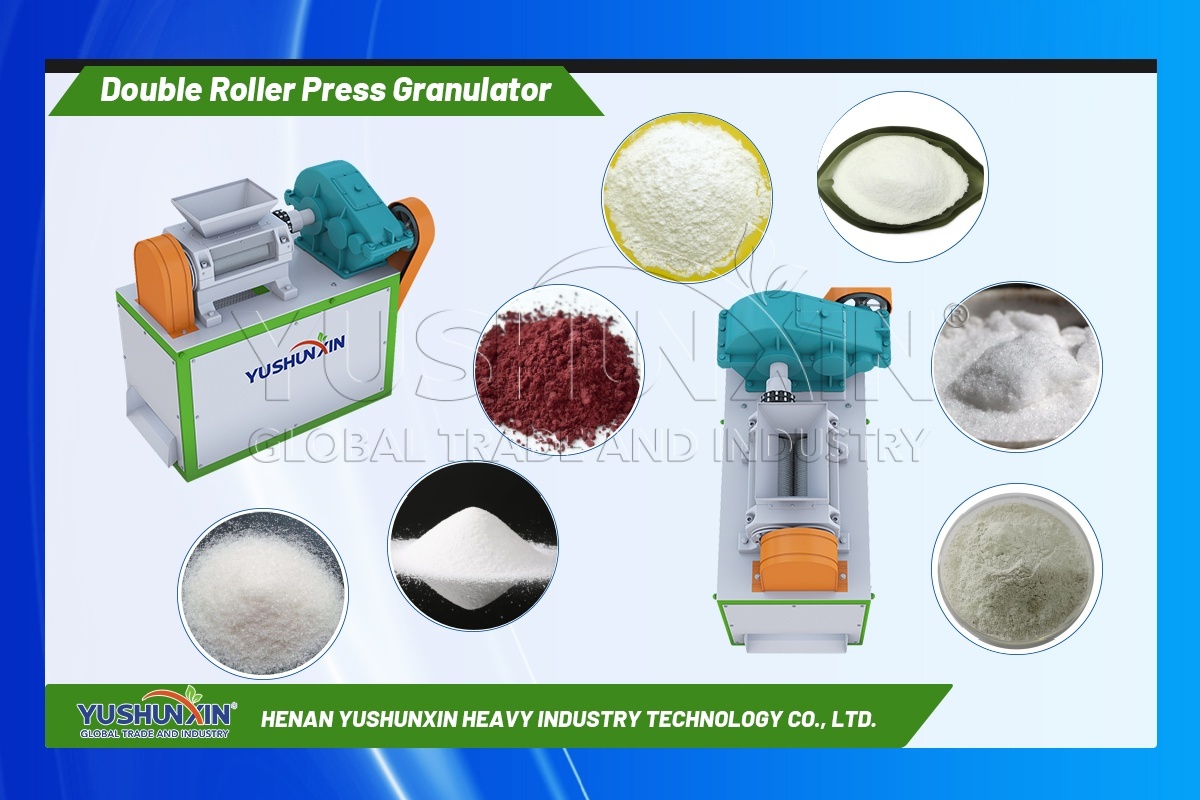
A double roller press granulator helps your plant choose the right dry granulation route for compound fertilizer or organic fertilizer. You can compare raw material moisture, hourly capacity, and the finished granule size before selecting a model. The machine presses chicken manure, crop straw, humic acid, and sewage sludge into dense sheets, then breaks the sheets into uniform granules. This dry route fits a fertilizer production line without a dryer or cooler.

double roller press granulator

double roller press granulator

How does raw material choice affect a double roller press granulator?

Chicken manure and sewage sludge may need dewatering or fermentation before pressing, while crop straw and humic acid may need crushing and blending. Your operators can adjust roller pressure and feed speed when the material changes from soft organic matter to dense mineral powder. A steady feed keeps the powder layer even between the rollers and reduces dust. This control helps the double roller press granulator system produce consistent granules from different raw materials.

How do capacity and granule size guide model selection?

Smaller roller models often support about 1 to 1.5 tons per hour, while larger rollers support 1.5 to 3 tons per hour. Your team can match the machine to the daily output and choose a mold that forms the required particle size. Compound fertilizer granules commonly fall between 4 mm and 5 mm, while special materials may need 8 mm or 10 mm. The double roller press granulator line can also use pillow, cylindrical, or flat-spherical molds for different market needs.

How does dry roller granulation fit a fertilizer manufacturing system?

The dry route removes the dryer and cooler, so your plant uses less energy and occupies less space. You can connect a horizontal mixer, chain crusher, the roller granulator, a screening machine, and a packaging scale into one flow. The screen returns fine powder to the feed, which raises material use. This arrangement supports a fertilizer extrusion technology for both compound and organic fertilizer. You can also review organic fertilizer extrusion technology to see a complete dry granulation line in operation.

How can plant owners compare roller press machines before purchase?

You can compare roller size, motor power, pellet shape, and the type of supporting equipment your project needs. A simple production scheme may use a storage bin instead of an automatic batching system, which lowers the initial budget. Your team can add an automatic batching system later when the plant grows. For background on organic nutrients, you can read the organic fertilizer reference. A fertilizer machinery manufacturer can provide roller specifications and a line drawing for your capacity.

Yushunxin supplies double roller press granulators and supporting equipment for dry granulation plants. If your team has interest in the machine, you can learn more about https://www.extruder-granulator.com/double-roller-extruder-granulator.

Which Roller Press Machine Fits a 1-3 T/H Dry Granulation Plant?

A roller press machine gives a 1-3 t/h dry granulation plant a compact route from powder to finished granules. The machine uses two rollers to press chicken manure, crop straw, humic acid, and sewage sludge into dense sheets, then breaks the sheets into uniform particles. Your plant can run the granulator at normal temperature without a dryer or cooler. This dry method fits a small or medium fertilizer production line that needs simple operation and steady output.

roller press machine

roller press machine

How does a roller press machine form granules from chicken manure, crop straw, humic acid, and sewage sludge?

The feed hopper sends the blended powder between two counter-rotating rollers, and the rollers press the material into a compact sheet. A crushing unit then breaks the sheet into granules, and a screen separates the target size from fine powder. Your operators can adjust roller pressure and feed speed for different material moisture levels. This process works without added water, so the roller press machine system keeps the production flow short and reduces drying cost.

Which roller size and power fit a 1-3 t/h dry granulation plant?

Smaller roller models suit a plant that produces about 1 to 1.5 tons per hour, while larger rollers support 1.5 to 3 tons per hour. Your team can compare roller diameter, motor power, and finished granule size before choosing a model. A machine with a 150 mm or 186 mm roller width often works well for small NPK and organic fertilizer batches. The roller press machine line can produce granules from 3 mm to 15 mm depending on the mold you select.

How does the dry roller process support a fertilizer manufacturing system?

The dry granulation route removes the dryer and cooler, so your plant uses less energy and needs less space. You can connect a horizontal mixer, a chain crusher, the roller granulator, a screening machine, and a packaging scale into one flow. The screen returns fine powder to the feed, which improves material use. This arrangement supports continuous fertilizer extrusion technology for both compound and organic fertilizer. You can review organic fertilizer extrusion technology to see a complete dry granulation line in operation.

How can a small plant choose the right roller press granulator?

You can compare hourly output, roller size, power use, and the particle shape your market requires. A simple individual production scheme uses a storage bin instead of an automatic batching system, which lowers the initial budget. Your team can later add an automatic batching system when the plant grows. For background on organic nutrients, you can read the organic fertilizer reference. A fertilizer machinery manufacturer can provide roller specifications and a line drawing for your capacity.

Yushunxin supplies roller press granulators and supporting equipment for small dry granulation plants. If your team has interest in the machine, you can learn more about https://www.extruder-granulator.com/double-roller-extruder-granulator.

How Do Urea, Ammonium Sulfate, Potassium Chloride, and Potassium Sulfate Affect NPK Dry Granulation?

Your choice of npk fertilizer raw material changes how the dry granulation machine handles moisture, pressure, and finished granule strength. Urea absorbs moisture easily, while ammonium sulfate, potassium chloride, and potassium sulfate behave differently under pressure. A double roller granulator can process these materials without water, but your operators must adjust the feed and roller pressure for each formula. This control helps a fertilizer production line make stable NPK granules from dry powder.

npk fertilizer raw material

npk fertilizer raw material

How do urea and ammonium sulfate affect NPK dry granulation?

Urea brings nitrogen into the blend, but it can absorb moisture from the air and become sticky. Your team can feed urea at a steady rate and keep the roller pressure moderate so the powder forms a firm sheet without clogging the machine. Ammonium sulfate supplies both nitrogen and sulfur, and it forms granules with good hardness in a dry process. When these two materials combine with potassium sources, the npk fertilizer raw material system needs consistent batching to keep the nutrient ratio stable.

How do potassium chloride and potassium sulfate influence granule quality?

Potassium chloride provides a concentrated potassium source, while potassium sulfate adds potassium and sulfur without chloride. The two materials may flow differently through the hopper, so your operators can test each formula before full production. A steady feeder keeps the powder layer even between the rollers, and the screen returns fine particles to the process. These steps help the npk fertilizer raw material line produce granules with uniform size and sufficient strength for storage and transport.

Which dry granulation settings suit different NPK raw materials?

Roller pressure, gap clearance, and feed speed matter most. Your operators can lower pressure for soft or sticky powders and raise it for dense mineral materials. The granulation machine compacts the powder into a sheet, and a crushing unit forms granules without adding moisture. This fertilizer extrusion technology gives the organic fertilizer extrusion technology a flexible route for both compound and organic fertilizer production. A well-adjusted machine also reduces dust and returns undersized powder to the feed.

How can plant owners build a stable NPK fertilizer manufacturing system?

You can connect a batching machine, a crusher, a mixer, the roller granulator, a screen, and a packaging machine into one flow. The batching machine weighs each raw material, and the mixer blends the NPK components before they enter the granulator. The screen keeps the granule size within range, and the packaging machine fills bags at a steady pace. These machines give your fertilizer processing plant a continuous process from raw powder to finished product. For background on nutrient sources, you can read the organic fertilizer article. A fertilizer machinery manufacturer can provide roller specifications and line layouts for your NPK formula.

Yushunxin can supply roller granulators and supporting machines for NPK dry granulation. If your team has interest in the raw material process, you can learn more about https://www.extruder-granulator.com/raw-materials-for-npk-fertilizer-production.

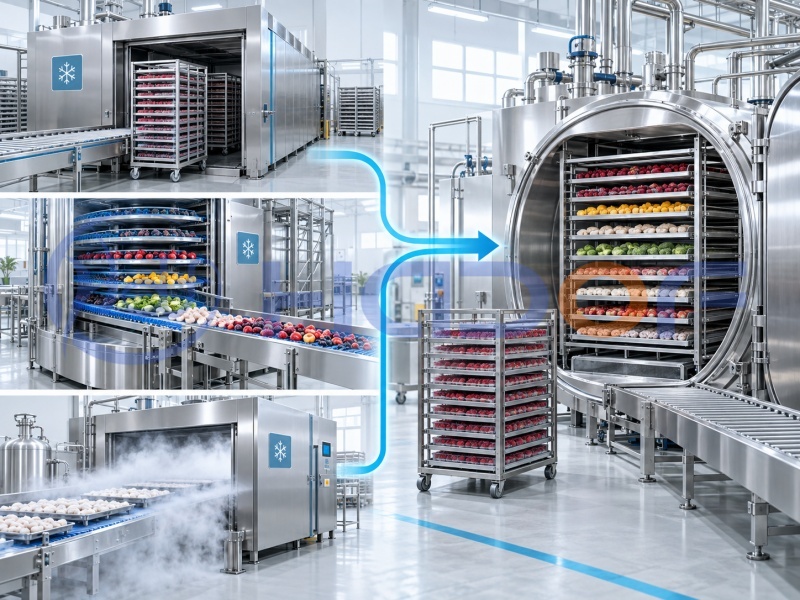
Why Pre-Freezing Strategy Matters in a High-Capacity Freeze-Drying Line

In a high-capacity freeze-drying line, the drying chamber gets most of the attention, yet the pre-freezing step decides how hard that chamber can actually work. Sublimation only begins once every product core is fully frozen, so any delay or unevenness upstream of the chamber turns directly into idle shelf time. When you plan a 100kg/batch industrial freeze drying plant, the pre-freezing strategy you choose shapes waiting time, batch turnover, and the rhythm of the entire line.

Why Pre-Freezing Strategy Matters in a High-Capacity Freeze-Drying Line

Pre-Freezing Sets the Pace of the Whole Line

If trays freeze inside the drying chamber, the chamber spends part of every cycle as a freezer. Shelves cool down, hold the product until the core temperature reaches its target, and only then heat up again to start sublimation. That sequence stretches each cycle and keeps the most expensive asset in the line busy doing work that cheaper equipment could handle.

Off-line pre-freezing breaks this pattern. Product arrives at the chamber already frozen, shelves load immediately, and vacuum pulls down within minutes of loading. The chamber then spends its full cycle doing what it does best: drying. The goal is simple — the freezing section finishes exactly when the chamber becomes available, so no trays wait in the aisle and no chamber sits empty.

Tunnel Freezing: Steady Capacity for Tray-Based Loading

An industrial tunnel freezing machine moves trolleys of loaded trays through a cold tunnel on a fixed schedule. It matches tray-based freeze drying naturally: the same trays that load the tunnel can carry product straight to the chamber shelves, which cuts handling and keeps tray depth consistent between the two stations. Tunnel freezing suits factories that run repeatable batch patterns and want a straightforward, robust freezing stage with simple maintenance.

IQF Spiral Freezing: Continuous Flow for Loose Products

An IQF spiral freezing machine freezes individual pieces as they travel along a spiral belt, giving a continuous stream of loose-frozen product — dice, slices, berries, shrimp. Because pieces freeze separately, they do not clump, so they spread evenly across trays at the loading station and vapor escapes uniformly during drying. For high-volume vegetable and fruit lines, IQF keeps the feed side flowing at the same pace the chamber consumes it.

Liquid Nitrogen Quick Freezing: Speed for Demanding Loads

A liquid nitrogen quick freeze machine freezes product faster than any mechanical option. The rapid crust locks cell structure and surface appearance, which matters for high-value fruits, dairy pieces, and delicate prepared foods. Speed also serves line rhythm: when a chamber frees up ahead of schedule, liquid nitrogen freezing lets the next batch catch up instead of leaving shelves idle. Factories weigh the higher operating cost of cryogen against the value of faster turnaround and premium product quality.

Match Freezing and Drying as One System

Each freezing route changes what happens downstream: freezing method affects how product spreads on trays, how vapor leaves the load, and how predictably each batch reaches its end point. A 100kg/batch freeze drying plant only delivers its full capacity when the freezing section upstream keeps the same pace, so both stations deserve planning attention together. A line works best when freezing capacity, transfer time, and chamber batch size grow together instead of one station racing ahead of the rest.

Hadof builds freezing, drying, and handling sections as one coordinated line, sized to your raw material, output target, and factory floor. To discuss a customized high-capacity solution for your products, visit the Hadof freeze dryer homepage at https://www.freezehadof.com/

hadof food processing manufacture

What Should Buyers Compare When Ordering a Customized Electric Roller Press Machine?

customized electric roller press machine, electric roller press machine factory, electric roller press machine, fertilizer production line

A production team orders a granulation machine only after it compares the drive system, roller material, and control settings. The customized electric roller press machine uses an electric motor to turn the rollers and compact powder into dense granules without hydraulic fluid. You can review the following points to choose a configuration that fits the raw material and the expected daily output.

customized electric roller press machine

customized electric roller press machine

What should a production team compare in an electric roller press machine factory?

An electric roller press machine factory should provide the frame, motor, rollers, and control system as a matched set. You can compare the roller material, because stainless steel or alloy steel rollers last longer under abrasive powders. The motor rating and the reducer affect energy use and running cost. The control system should allow speed and pressure adjustment for different formulas. These details determine whether the machine keeps a steady granule size across a full shift.

How does electric roller press machine capacity shape a fertilizer extrusion line?

The electric roller press machine capacity must match the feed volume from the crusher and the screening step that follows. A small dry granulation line can start with a lower output and expand later, while a compound fertilizer plant needs a higher hourly rate. The electric drive keeps the rollers moving at a stable speed, so the compaction force stays consistent even when the feed changes. You should also leave room for peak production periods.

Which raw materials suit an electric roller press machine in a fertilizer manufacturing system?

The machine compacts urea, ammonium sulfate, and phosphate powders into hard granules with low moisture. It also handles mineral powders and dried organic material when the moisture level stays within the dry-granulation range. This flexibility makes the unit useful in a fertilizer manufacturing system that produces compound formulas or organic pellets. The electric drive reduces the moving parts that require maintenance and removes the risk of hydraulic fluid leaks. These features lower downtime and keep the fertilizer manufacturing process moving.

What supporting fertilizer equipment works with an electric roller press machine?

A crusher prepares the powder feed, and a screening machine separates fine particles for a second pass. A double roller extruder granulator offers another dry-compaction option for compound formulas. The working principle follows the granulation route described for fertilizer processing. A fertilizer machinery manufacturer can match the pelletizer to the crusher and the screener for a balanced line.

When a production team selects a roller press, the drive system and the roller material determine the long-term cost. For an equipment reference, Yushunxin supplies electric roller press configurations with energy-saving control. If you have interests, you can learn more about https://www.extruder-granulator.com/electric-roller-press-machine

How Does a Carbon Black Granulation Plant Turn Fine Carbon Powder Into Stable Pellets?

Fine carbon black powder creates dust, wastes material, and complicates storage and transport. A carbon black granulation plant presses or rolls that powder into stable pellets between 3 mm and 10 mm. The process improves material utilization, lowers dust, and gives the powder a regular shape for downstream handling. You can use the following sections to understand the methods, equipment list, and capacity factors behind a reliable carbon black granulation line.

carbon black granulation plant

Caption: carbon black granulation plant – fertilizer granulation technology

How does a carbon black granulation plant turn fine powder into stable pellets?

The plant first removes impurities and excess moisture from the carbon black powder. A mixer then blends the powder with a binder or other additives to prepare a uniform feed. A pelletizer shapes the feed into pellets, and for wet granulation a dryer and a cooler remove surface and internal moisture. A sieving machine grades the finished pellets and returns oversized or undersized material for another pass. Each stage in this fertilizer granulation technology adds control over size, purity, and final strength.

Which granulation method suits a carbon black pelletizer in a fertilizer granulation line?

A carbon black pelletizer can use a dry or a wet method. The dry method needs no water or binder, works quickly, and keeps pellet purity high, which suits large-volume production. The wet method adds a liquid binder, gives more control over particle size and shape, and reduces flying dust, but it requires a dryer and a cooler. You should choose the method by product purity, plant space, energy cost, and the target pellet size.

What equipment list supports a carbon black granulation plant in a fertilizer processing plant?

A complete line includes a feed hopper, a mixer, a pelletizer, and, for wet granulation, a dryer and a cooler. A screening machine follows the drying stage and separates qualified pellets from fine powder. A disc granulator machine offers a wet-granulation option with a high ball-forming rate, while a double roller extrusion unit supports dry compaction. Together these fertilizer equipment units form a fertilizer processing plant that converts fine carbon powder into a saleable granular product.

How should a production team evaluate carbon black granulation plant capacity and fertilizer production investment?

Capacity depends on the pelletizer type, the granulation method, and the moisture content of the feed. A dry line needs fewer downstream machines, so the fertilizer production investment stays lower. A wet line adds drying and cooling equipment but gives more uniform pellets and better dust control. You should also include mixing, screening, packaging, and return-material handling in the investment. When you match capacity to daily powder volume, the carbon black granulation process avoids idle equipment and unnecessary operating cost.

Carbon black granulation follows the material behavior described for carbon black, where fine particles become easier to handle after forming. You can review the About Us page for supplier details. For a reference configuration, Yushunxin provides several powder granulator machines for different production scales. If you have interests, you can learn more about https://www.mineralfertilizerproductionsolutions.com/product/carbon-black-granulation-plant

What Is the Payback Period for an Industrial Vegetable Sorting Table in a Medium-Scale Food Factory?

A medium-scale fresh-cut vegetable factory that trims, sorts, and inspects cabbage, lettuce, spinach, carrots, or potatoes usually wants to know how quickly a sorting workstation will pay for itself before approving the purchase. The payback period for an industrial vegetable sorting table for fresh-cut vegetable processing compares the delivered equipment cost with the labor hours, rework, and material loss the table removes from daily operations. This article explains the cost items, labor drivers, throughput effects, and a simple way to estimate payback in months for a medium-scale food factory.

What Cost Items Belong in the Payback Calculation?

The payback period starts with the total landed cost of the equipment, not only the machine price. A buyer should add the purchase quotation, delivery, installation, and any layout changes to the workstation area, then divide by the monthly benefit. For a sorting line, the product page lists an investment range of roughly USD 4,500 to USD 8,500 depending on workstation quantity and conveyor structure, so a six-station model fits the upper part of that range while a two-station model fits the lower part. Cleaning time, spare cutting-board holders, and operator training also belong in the calculation because they affect the first weeks of use.

How Does Manual Sorting Currently Consume Labor Hours?

Before automation, a factory often assigns several workers to remove rotten material, trim roots, reject damaged vegetables, and prepare produce for cutting or peeling. These tasks are repetitive, hard to supervise, and vary with raw-material quality, which makes labor cost difficult to predict. A dedicated manual cutting and sorting table with waste collection centralizes these jobs at fixed workstations with a cutting-board holder and waste hole, so supervisors can measure output per station and workers no longer move between scattered tables. Because manual inspection is a core part of food safety management, the table also gives the plant a clear inspection point before produce reaches downstream equipment.

Where Does the Table Improve Throughput and Reduce Material Loss?

A six-workstation sorting line supports six operators at the same time and, according to the product information, can process about 1.5 to 3 tons per hour depending on the material. The gain comes from keeping workers at one organized station, using a frequency-controlled conveyor, and removing damaged or blackened produce before it enters a cutter, where one bad item can contaminate a batch or slow the line. When the sorting table feeds an industrial leafy vegetable cutting machine, the cutting stage receives cleaner, better-sized material, which reduces rework and blade adjustments. A stainless steel vegetable sorting table for food processing plants therefore improves both labor productivity and the value of the steps that follow it.

How Should a Factory Estimate Payback in Months?

To estimate the payback period, divide the delivered equipment cost by the expected monthly labor and waste saving. For example, if a six-station table costs USD 8,500 delivered and removes one full-time sorter and reduces rework worth USD 1,000 per month, the total monthly benefit is about USD 2,000, giving a payback of roughly four to five months. The exact number depends on local wages, shift count, and raw-material quality, but the method keeps the decision tied to real operating data instead of a vendor promise. A vegetable sorting table for a medium-scale food factory becomes easier to justify when the factory records current sorting hours, rejected-material weight, and rework time for a few weeks before requesting a quotation.

Conclusion

The payback period for an industrial vegetable sorting table depends on delivered cost, current sorting labor, material loss, and how well the station is placed in the processing line. By centralizing inspection at organized workstations, a manual inspection sorting table for vegetable processing can turn scattered manual work into measurable throughput while protecting downstream cutting and packaging. Before you buy, record your sorting hours and waste, then request a configuration and price for the workstation count that matches your layout. To compare sorting solutions for your fresh-cut or central-kitchen project, you can learn more about the equipment at https://www.hadofps.com/products/manual-cutting-and-sorting-table/

How Many Operators Does a Batch Frying Machinery Require for a Small-Scale Production Line?

A small food factory or central kitchen that plans to fry chicken, fish, French fries, nuts, vegetables, or prepared products usually wants to know how many operators are needed before hiring a production team. In most small-scale layouts, a batch frying machine for a small-scale food processing line can be operated by one or two dedicated people per shift when preparation, oil care, and packing are organized around the fryer. The exact number depends on fryer type, batch size, product shape, heating method, and the level of automatic stirring, lifting, and discharge.

batch frying machinery for food processing plants

What Can One Operator Handle on a Batch Fryer?

With automatic temperature control, one operator can load baskets, start the timed frying cycle, check color and texture, and unload finished food after draining. The operator also watches oil level, records batch information, and cleans strainers or residue outlets between products. A round deep fryer makes this easier because it includes automatic stirring and discharge, so a trained worker does not have to lift hot loads by hand. For this reason, an automatic batch frying machine for a food factory can usually run with one fryer operator plus one helper for raw material preparation and finished product packing.

Why Do Manual Basket Fryers Often Need Two Operators?

Square deep fryers with removable baskets are common in restaurants, central kitchens, and small workshops because the equipment cost is lower and operation is simple. With a small batch fryer machine for restaurants and central kitchens, two operators normally work as a team when products are heavy or fry times are short. One operator loads and times batches while the other lifts the basket, checks oil draining, and moves fried food to the next station. A third helper may be needed when the plant uses several baskets, changes products often, or also handles coating and final packing. Manual operation is workable, but staffing should prevent one worker from lifting, draining, inspecting, and packing every batch alone.

How Do Preparation, Oil Care, and Packaging Change Staffing?

Batch frying is not only about standing beside the machine. Cutting, coating, oil filtering, and packing take time and affect the number of operators. When raw food is prepared in another area, a plant may need only one or two fryer operators. When coating, breading, and packaging happen on the same small line, total staffing often rises to three or five people. Some round fryer configurations include oil filtration and sediment collection, and this kind of batch frying machinery with oil filtration and sediment control needs less manual oil handling between shifts. Operators should monitor oil temperature and filtration because deep frying quality depends on stable oil condition; regular cleaning keeps oil usable longer and reduces smoke, off-flavors, and sediment.

When Should a Small Plant Compare Continuous Frying Systems?

Manual basket operation becomes a bottleneck when output grows. If the same products need several shifts or one operator is always waiting for a fry cycle, the plant should compare a batch fryer with a continuous fryer for larger fried food production. A continuous system changes staffing from lifting and timing to conveyor supervision, batter or coating connection, and line inspection. For a small-scale producer, the decision point usually comes when daily output, labor cost, and product consistency make one continuous machine more attractive than several batch fryers.

How Should You Estimate Operator Requirements?

Start with expected throughput, batch weight, fry time, draining time, and changeover time. Then divide the work into loading, frying, draining, oil management, and packaging. For a batch fryer in the 50 to 250 kg per hour range, plan one dedicated fryer operator per active machine; add helpers according to preparation and packaging volume. If the fryer has automatic lifting and discharge, one operator can usually supervise more batches than with a manual square fryer, but product changeovers and cleaning time still need to be included in the staffing plan.

Conclusion

The number of operators that batch frying machinery requires for a small-scale production line depends on fryer design and the tasks around the machine. A round fryer with automatic stirring and discharge can run with one dedicated operator and light support, while a manual square fryer normally needs two workers and sometimes a helper for preparation, oil care, and packing. Match the automation level and staffing plan to your product batch, output target, and workshop layout instead of choosing machinery before the workflow is clear. When you compare suppliers for your small production project, you can learn more about batch frying options at https://www.friedfoodsolutions.com/batch-fryer-machine/

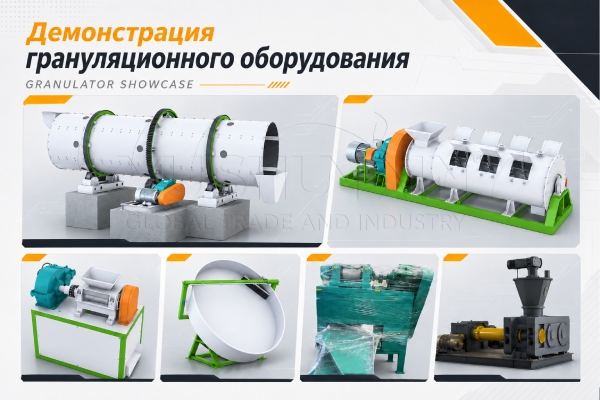
Барабанный, дисковый или валковый гранулятор NPK: практическое сравнение

Производитель NPK должен выбирать технологию по рецептуре, масштабу и требуемой товарной форме, а не по универсальному рейтингу машин. Поэтому оборудование для гранулирования NPK для промышленной линии включает несколько принципиально разных вариантов. Барабан и диск формируют гранулы во влажной среде, а валковая система применяет механическое уплотнение. Правильный fertilizer production process связывает технологию с влажностью, размером порошка, пластичностью и плановой загрузкой предприятия.

Оборудование-для-гранулирования-NPK-Shunxin

Когда барабанный гранулятор NPK лучше подходит промышленной линии?

Барабанная машина лучше соответствует стабильному непрерывному выпуску. Вращающийся цилиндр перекатывает материал, а вода, пар или связующее помогают порошку образовывать ядра. Целевая страница NPKLiniya указывает модели от 1–3 до 15–30 т/ч.

Такая линейка помогает предприятию масштабировать fertilizer manufacturing capacity в рамках одного технологического принципа. Барабанная машина хорошо интегрируется со смесителем, сушилкой и грохотом.

Однако инвестор должен учитывать всю мокрую цепочку. Сушка и охлаждение увеличивают fertilizer plant investment и потребление энергии. Поэтому крупный проект должен подтверждать необходимость такой производительности реальным планом продаж.

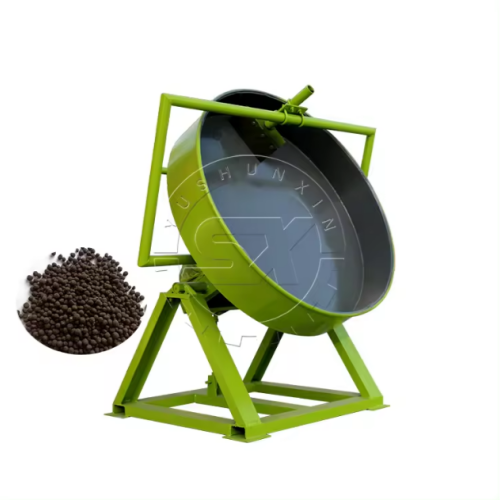
Когда дисковый гранулятор становится рациональнее барабанного?

Дисковый гранулятор даёт оператору больше гибкости. Наклонная чаша позволяет менять угол, скорость и подачу жидкости. Целевая страница показывает модели примерно от 0,02–0,05 до 4–6 т/ч.

Эта технология подходит небольшим и средним проектам, а также предприятию с частой сменой рецептур. Диск позволяет технологу наблюдать за ростом частиц и быстрее корректировать режим.

При этом завод должен учитывать размер партии и продолжительность работы. Один небольшой диск не заменяет крупный барабан, если рынок требует высокий непрерывный выпуск.

Когда валковая грануляция NPK лучше влажной технологии?

Валковая схема подходит порошку, который хорошо уплотняется под давлением. Машина не строит гранулу через длительное перекатывание с жидкостью. Она прессует смесь, а следующие операции формируют требуемую фракцию.

Покупатель может изучить сравнение сухой и влажной грануляции NPK перед окончательным выбором. Связанная страница отмечает, что сухая технология особенно зависит от прессуемости смеси, а влажная схема зависит от поведения компонентов при добавлении жидкости.

Гранулятор NPK под состав сырья и производительность должен соответствовать конкретной рецептуре. Слишком рыхлый порошок может создавать слабые частицы после сухого уплотнения, а слишком гигроскопичная смесь увеличивает нагрузку на мокрый процесс.

Какие вспомогательные машины влияют на выбор сильнее всего?

Дозирующая система задаёт состав рецептуры. Смеситель выравнивает компоненты до грануляции. Грохот отделяет товарную фракцию и создаёт возврат материала. Эти три узла влияют на любой fertilizer processing system.

Влажная линия дополнительно требует расчёта сушильного оборудования. Если сушилка имеет меньшую производительность, чем гранулятор, она ограничивает всю линию. Сухая линия обычно сокращает тепловой участок, но предъявляет более строгие требования к подготовке порошка.

Поэтому fertilizer machinery cost должен включать полный комплект, а не только основную машину.

Как сырьё и рынок помогают выбрать правильную технологию NPK?

Рецептуры NPK отличаются по насыпной плотности, влажности, пластичности, гигроскопичности и склонности к слёживанию. Эти параметры определяют поведение порошка при прессовании или влажной агломерации.

Справочная статья про минеральные удобрения и компоненты NPK даёт общий контекст по азотным, фосфорным и калийным компонентам. Завод должен дополнить эту информацию собственными данными сырья.

Требования рынка также важны. Идеально округлая товарная гранула может оправдать влажную схему. Компактный запуск и ограниченный бюджет могут сделать валковый вариант рациональнее.

Как инвестору сравнить барабанный, дисковый и валковый вариант по одной модели?

YUSHUNXIN может подготовить три конфигурации после получения рецептуры, часовой мощности, размера гранул и размеров площадки. Инвестор тогда сравнивает capital cost, расход энергии, число машин, площадь и fertilizer handling process.

Барабан чаще подходит непрерывному крупному производству. Диск даёт гибкость в малом и среднем диапазоне. Валковая технология сокращает мокрые операции при подходящем порошке.

Покупатель может получить подробнее о выборе гранулятора NPK после анализа сырья и производственного плана.

Практическое сравнение должно начинаться с рецептуры и заканчиваться материальным балансом всей линии. Только такой подход показывает реальную производительность и инвестиционную нагрузку.

https://www.npkliniya.com/products/oborudovanie-dlya-granulirovaniya-npk/