Enhancing Pomace Fertilizer Production: The Impact of Drying Methods on Granulation and Quality

Pomace, the residual pulp derived from fruits after juice or oil extraction, represents a significant portion of high-moisture organic waste. Rich in organic matter and nutrients, pomace offers immense potential when converted into organic fertilizer. Transforming pomace into fertilizer not only alleviates waste disposal challenges but also contributes to sustainable agriculture. However, the choice of drying method in the production process profoundly affects the quality of the final fertilizer granules. Understanding how different drying techniques influence pomace fertilizer production is essential for optimizing granulation procedures and achieving superior fertilizer particles.

What Raw Materials Are Ideal for Pomace Fertilizer Production?

High-moisture organic wastes such as apple pomace, grape pomace, citrus peels, and olive pomace are exemplary raw materials for organic fertilizer manufacturing. These materials are abundant in industries like fruit juice production and olive oil processing, generating substantial quantities of pomace. Utilizing pomace in fertilizer production processes offers specific benefits for these industries, including waste reduction and the creation of value-added products. By converting pomace into fertilizer granules, producers can recycle nutrients back into the soil, enhancing soil fertility and promoting sustainable agricultural practices.

Pomace Dryer
Pomace Dryer

How Do Drying Methods Influence Water Reduction and Fertilizer Quality?

Drying is a critical stage in pomace fertilizer preparation, as the moisture content of pomace exceeds 90%. Effective water reduction processes are necessary to prepare the pomace for granulation and to prevent spoilage during storage. Different drying methods impact the efficiency of moisture reduction and the preservation of nutrient content. Mechanical dewatering machines, or dehydrators, remove excess water through physical means, while composting allows biological drying via microbial activity. However, a specialized pomace dryer is often essential to reduce the moisture content to below 10%. The design and technology of the drying equipment significantly influence the drying efficiency, energy consumption, and the quality of the dried pomace, which in turn affects the granulation process and the quality of the fertilizer particles produced.

What Equipment Enhances Granulation in Pomace Fertilizer Production?

After achieving the desired moisture level through effective pomace drying techniques, the next crucial step is granulation. Granulating machines, such as wet granulators or pelletizers, play a vital role in converting dried pomace into uniform fertilizer granules or pellets. The granulation process involves the aggregation of fine pomace particles into larger, uniformly sized granules suitable for application in agriculture. The quality of granulation affects the fertilizer’s handling properties, nutrient release rates, and overall effectiveness. Advanced granulating equipment ensures consistent particle size and shape, enhancing the performance of the organic fertilizer. Investing in high-quality granulators or pelletizing machinery is essential for manufacturers aiming to produce premium pomace-based fertilizer.

Conclusion

The choice of drying method has a profound impact on the quality of pomace fertilizer production. Effective drying not only reduces moisture content but also preserves the nutrient integrity of the pomace, facilitating successful granulation. Selecting the appropriate drying equipment, such as specialized pomace dryers, along with efficient granulating machinery, ensures the production of high-quality fertilizer granules or pellets. For industries seeking to convert high-moisture organic waste into valuable fertilizer products, understanding and optimizing each stage of the production process—from dewatering and composting to drying and granulating—is crucial. A professional drying equipment manufacturer, Yushunxin, offers advanced solutions and machinery to enhance pomace fertilizer production, supporting sustainable practices and contributing to agricultural innovation. You can visit: https://www.fertilizerdryer.com/pomace-drying-machine/

What Factors Should You Consider When Selecting A Chicken Manure Drum Dryer?

Choosing the right chicken manure drum dryer is essential for optimizing the drying process, improving the quality of the fertilizer, and enhancing the overall efficiency of your production line. This blog will delve into the key factors to consider when selecting a rotary drum dryer for chicken manure, tailored to various industry needs and specific requirements of the drying process.

What Types of Raw Materials Are Suitable for Fertilizer Production?

When selecting a rotary drum dryer for chicken manure, it’s crucial to understand the types of raw materials that are most suitable for fertilizer production. Besides chicken droppings, other materials like cow dung, pig faeces, and horse manure are also commonly used. Each type of manure offers unique benefits:

  • Chicken Manure: Rich in nitrogen, phosphorous, and potassium, it is excellent for promoting plant growth.
  • Cow Dung: High in organic matter, it improves soil structure and water retention.
  • Pig Faeces: Contains balanced nutrients aiding in soil fertility.
  • Horse Manure: Provides slow-releasing nutrients, beneficial for long-term soil health.

Each type of manure requires specific handling during the drying process to maintain nutrient integrity. Therefore, understanding the raw materials can guide the selection of the appropriate drum rotary dryer, ensuring optimal performance and efficiency.

Dryer for Fertilizer Production

What Specific Features Should You Look for in a Rotary Drum Dryer?

To achieve efficient drying and high-quality fertilizer production, you should focus on specific features of the drum dryer machine. The following aspects are particularly important:

  • Temperature Control: Precise temperature settings are vital to prevent nutrient loss while ensuring adequate drying.
  • Material Handling System: An efficient feeding and discharge system minimizes downtime and maximizes throughput.
  • Energy Efficiency: Look for a rotating drum dryer that offers energy-saving features to reduce operational costs.
  • Durability and Maintenance: High-quality materials and easy maintenance features extend the drum dryer’s service life and reduce downtime.

Considering these features ensures that the industrial drum dryer meets the needs of your production line, optimizing both the drying process and the final product quality.

How Do Different Industries Benefit from Proper Manure Drying?

Various industries have distinct needs and benefits when it comes to manure drying:

  • Agriculture: Properly dried manure enhances soil fertility and crop yields, making it an invaluable resource for farmers.
  • Gardening: High-quality, nutrient-rich manure improves plant health and growth, benefiting home and commercial gardening.
  • Commercial Fertilizer Production: Efficient drying processes increase production capacity and product quality, boosting profit margins.

Understanding these benefits allows industry players to tailor the selection of a rotary dryer machine to their specific operational requirements, ensuring maximum efficiency and product quality.

Why Should You Consider Additional Equipment in the Production Line?

In addition to the rotary drum dryer, incorporating other equipment can further enhance the efficiency of your fertilizer production. Equipment such as mixers, granulators, and screening machines can complement the drying process:

  • Mixers: Ensure uniform blending of raw materials before drying, improving the consistency of the final product.
  • Granulators: Convert dried manure into granules, making it easier to handle and apply.
  • Screening Machines: Separate fine particles from larger granules, ensuring uniform product size.

Integrating these machines into your production line can streamline operations, improve product quality, and increase overall efficiency.

Transition to Professional Equipment Manufacturers

When considering the selection of the right drum dryer for chicken manure, it’s essential to choose a reliable and experienced equipment manufacturer. A professional fertilizer equipment manufacturer like Yushunxin offers a range of high-quality rotary dryers and complementary equipment designed to meet the specific needs of manure drying processes. Their expertise and customized solutions ensure that your production line operates efficiently and effectively, delivering superior fertilizer products.

Conclusion

Selecting the right chicken manure drum dryer involves understanding the raw materials, focusing on specific machine features, recognizing industry benefits, and considering additional production equipment. By following these guidelines and choosing a professional manufacturer such as Yushunxin, you can optimize your drying process, enhance product quality, and improve overall production efficiency. You can visit: https://www.fertilizerdryer.com/chicken-manure-drying-machine/

How to Dry Fruit Pomace?

Drying fruit pomace is a crucial step in producing high-quality feed and fertilizer. By removing excess moisture, pomace dryers play a significant role in preserving the nutritional value of fruit by-products.

Pomace Drying Machine

Understanding Fruit Pomace

Fruit pomace refers to the solid residue left after juice extraction or fruit processing. It mainly consists of skin, pulp, seeds, and stems. There are many application examples for pomace drying machine: apple pomace, grape pomace, citrus pomace, tomato pomace, berry pomace, banana pomace, peach pomace, etc. This by-product holds substantial nutritional value and can be a valuable resource when properly dried and processed.

Click here for more examples!

Which Fruit Waste Can Be Used In Pomace Dryer

The Importance of Pomace Drum Dryer

Pomace dryers are specially designed to remove moisture content from fruit pomace efficiently. They eliminate the risk of spoilage, reduce transportation costs, and enhance the value and usability of the pomace. Investing in a reliable pomace dryer for sale can revolutionize the way you handle fruit waste effectively.

Key Features of Pomace Dryers

SX pomace drying machine come with advanced features that ensure optimal drying results. Some essential features include:

1. Hot Air Circulation

These dryers utilize hot air circulation to achieve uniform drying. This technology ensures that every part of the pomace receives adequate heat for even drying.

2. Adjustable Temperature

Rotary dryer for drying pomace allows users to adjust the temperature according to the specific requirements of the fruit pomace. This flexibility helps in achieving better drying efficiency.

3. Stainless Steel Construction

SX high-quality pomace dryers are constructed with stainless steel, making them durable, corrosion-resistant, and easy to clean.

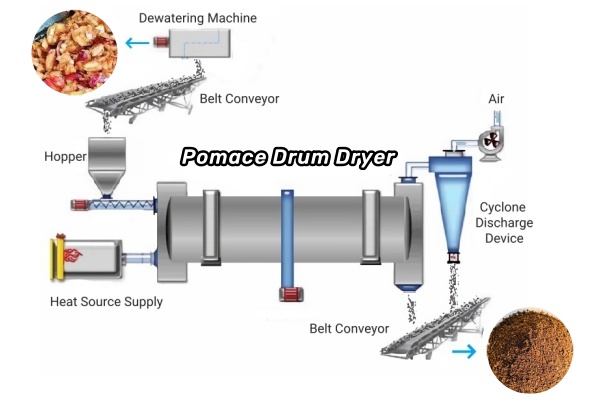
What Is The Pomace Drying Process

The drying process involves a series of steps to efficiently remove moisture from fruit pomace.

Drying Process for Fruit Pomace
1. Pre-treatment

Fruit waste may require pre-treatment for uniform drying. This step may involve dewatering or crushing the pomace to ensure consistent drying. So you may need SX screw press dewatering machine or compost grinders.

Compost Crushers
Compost Crushers
2. Loading

The pomace is loaded into the dryer by the loader type feeder, ensuring an even spread to facilitate proper air circulation.

Loader Feeding Machine
3. Temperature Control

The temperature is set based on the moisture content of the pomace. Lower temperatures are ideal for delicate fruits, while higher temperatures are suitable for denser pomace.

4. Drying Time

The drying time varies depending on the type of fruit, moisture content, and dryer specifications. Continuous monitoring is essential to minimize over-drying or under-drying.

Where Can Use The Pomace Drying Equipmment?

Pomace dryers cater to various industries and businesses.

Application Areas of Pomace Dryer
1. Fruit Processing Plants

These drum dryers can effectively process and reuse the by-products generated during juice extraction or fruit processing.

2. Orchards

SX Pomace dryers provide orchards with an efficient solution to manage their fruit waste effectively, boosting sustainability and reducing environmental impact.

3. Livestock Farms

Dried fruit pomace can be utilized as a nutrient-rich feed for livestock, ensuring optimal animal nutrition and minimizing feed costs.

Conclusion

Drying fruit pomace is a crucial process to efficiently utilize fruit waste and transform it into valuable products. SX pomace dryer for sale offers advanced features and technology to ensure efficient drying and superior quality output. By investing in a reliable pomace dryer, businesses in the fruit processing, orchard, and livestock industries can maximize their productivity while contributing to a more sustainable future. You can click this link: https://www.fertilizerdryer.com/pomace-drying-machine/