How to Convert Agricultural Residues into High-Value Bio Organic Fertilizer

As global agriculture shifts toward sustainable production, more farms are discovering the economic potential of transforming crop residues, livestock manure, and food-processing waste into bio-organic fertilizer. Turning agricultural waste into nutrient-rich soil amendments not only reduces disposal pressure but also creates new revenue streams. This process—often referred to as organic biofertilizer production, biofertilizer manufacturing, or compost-to-fertilizer conversion—has become increasingly attractive for both small farms and commercial fertilizer companies.

1. What Counts as Agricultural Waste for Fertilizer Making?

A wide range of organic residues can be used as feedstock for bio-organic fertilizer plants, including:

  • livestock manure such as cow dung, chicken manure, and pig slurry

  • crop residues like straw, corn stalks, rice husks, and bean waste

  • food and processing waste including fruit pulp, sugar waste, and mushroom residues

  • oilseed cakes and biogas digestate

These materials are rich in organic matter and beneficial microbes—ideal for organic waste recycling and compost-based fertilizer production.

2. Key Steps in Bio Organic Fertilizer Manufacturing

To turn raw waste into a market-ready product, most organic fertilizer production lines follow several core stages:

• Pre-treatment & crushing – Agricultural residues are shredded using an organic waste crusher or pulverizer to ensure uniform particle size.
• Composting & microbial fermentation – The heart of the process. Controlled aeration, moisture adjustment, and temperature management help convert raw waste into stable organic compost. Aerobic composting is often assisted by compost turner machines or fermentation tanks.
• Refining & granulation (optional) – To create high-value products, some facilities use a biofertilizer granulator, such as a disc granulator or drum granulator, to produce uniform pellets.
• Drying, cooling, and packaging – Ensures long shelf life and easy transport.

Together, these steps transform waste into a high-quality, microbially active organic fertilizer.

bio organic fertilizer production line

3. Why Bio Organic Fertilizer Is More Profitable Than Raw Waste Disposal

Producing agricultural waste fertilizer brings multiple advantages:

  • reduces waste disposal and storage costs

  • increases the nutrient value of organic matter

  • enhances soil health and microbial activity

  • sells at higher market prices, especially for pelletized products

  • supports eco-friendly branding for farms and agricultural enterprises

For businesses, converting waste into value-added organic fertilizer products is one of the most cost-effective ways to increase farm income. Click here to get more .

4. Equipment That Improves Efficiency

Modern bio-organic fertilizer manufacturing plants use specialized equipment to boost output and stability, such as:

  • compost turners for fast aerobic fermentation

  • in-vessel fermentation tanks for controlled microbial processing

  • crushers and mixers for uniform blending

  • granulators for premium pellet fertilizer

Choosing the right equipment layout can significantly cut labor costs and shorten fermentation time.  If you want to set up a bio organic fertilizer production line, welcome to visit: https://www.biofertilizerproduction.com/product/bio-organic-fertilizer-production-line/

Enhancing Biofertilizer Production Efficiency: Leveraging Drum Granulation Technology

In the world of agriculture, the demand for efficient and sustainable practices is constantly growing. Biofertilizers have emerged as a popular alternative to chemical fertilizers, promoting soil health and crop productivity. One key aspect of biofertilizer production efficiency is the use of drum granulation technology. This innovative method offers numerous benefits for farmers and producers alike, helping to optimize costs and operations while enhancing overall performance. In this blog, we will explore the advantages of leveraging drum granulation technology in biofertilizer production.

Benefits of Drum Granulation Technology:
Drum granulation machine plays a crucial role in enhancing biofertilizer production efficiency. By utilizing this method, producers can achieve a more uniform and consistent product, ensuring optimal nutrient distribution in the soil. You can click here to view its granulation effect. The controlled process of drum granulation allows for the customization of fertilizer formulations, tailored to specific crop requirements. This precision in nutrient delivery results in improved plant uptake and overall crop yields.

Drum biofertilizer granulator

Furthermore, drum granulation technology offers increased production scalability and flexibility. Producers can easily adjust production volumes to meet demand, without compromising product quality. The automated nature of drum granulation machines also reduces labor costs and enhances operational efficiency. In addition, the compact design of these machines allows for space-saving production facilities, maximizing resource utilization and minimizing environmental impact.

YUSHUNXIN‘s biofertilizer drum granulator has an output of 1-30 tons, which you can adjust according to your production needs. In addition, we can also help you plan and layout your biofertilizer production line.

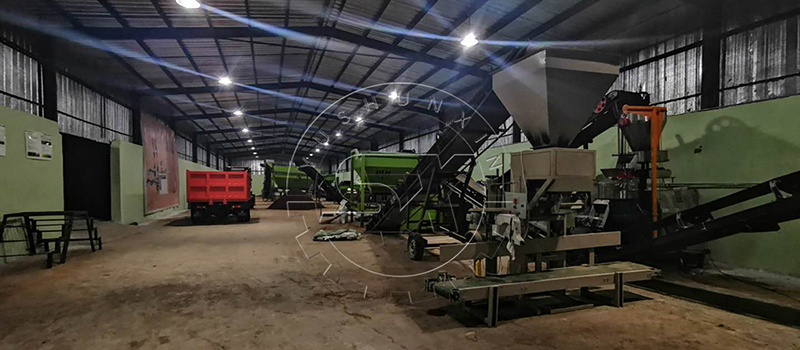
Bio fertilizer granulation line

Case Studies and Success Stories:
Numerous case studies have highlighted the success of leveraging drum granulation technology in biofertilizer production. Farms and agricultural enterprises that have adopted this method have reported significant improvements in crop yields and soil health. By efficiently utilizing nutrients and minimizing waste, these producers have achieved sustainable farming practices and enhanced profitability.

In conclusion, leveraging drum granulator to making granules in biofertilizer production offers a wide range of benefits for farmers and producers. By enhancing production efficiency, optimizing costs, and improving product quality, this innovative method plays a vital role in sustainable agriculture practices. As the demand for eco-friendly and effective fertilizers continues to rise, drum granulation technology stands out as a key solution for meeting these challenges. By embracing this technology, producers can boost their productivity, profitability, and environmental stewardship in the ever-evolving world of agriculture.

What Is The Bio Compost Fertilizer Manufacturing Process

Certainly! Let’s outline a simple example of how to use cow manure to make biofertilizer through a composting process:

Simple Industrial Cow Manure Biofertilizer Production:

Materials Needed:

Fresh cow manure

  • Straw or other carbon-rich materials
  • Water
  • Composting equipment
  • Microbial inoculants
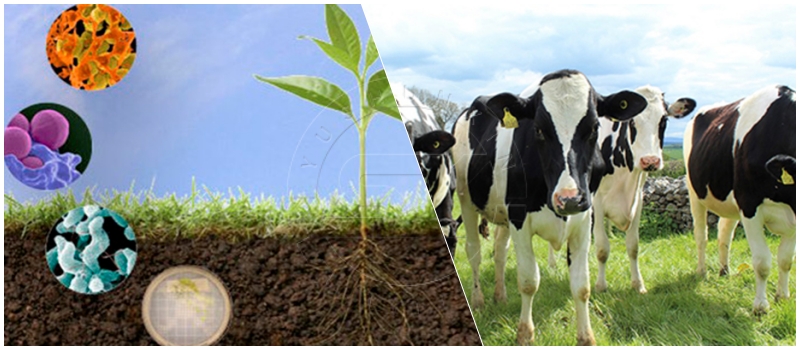
Cow manure to biofertilizer making

Bio fertilizer making from cow dung Steps:

Collection of Cow Manure:

How to make biofertilizer from cow manure? First, recycling fresh cow dung from healthy cattles. Ensure it’s free from contaminants such as antibiotics or pesticides.

Preparation of Cow Manure:

Remove any large debris like straw or stones from the cow manure.
If you have eniugh time, allow the manure to age for a few weeks, which helps in the decomposition of biofertilizer.

Composting Piles Setup:

Choose a suitable location for biofertilizer composting, preferably an area with good aeration.
Create compost piles. Ensure good drainage to prevent waterlogging.

Mixing with Carbon-Rich Materials:

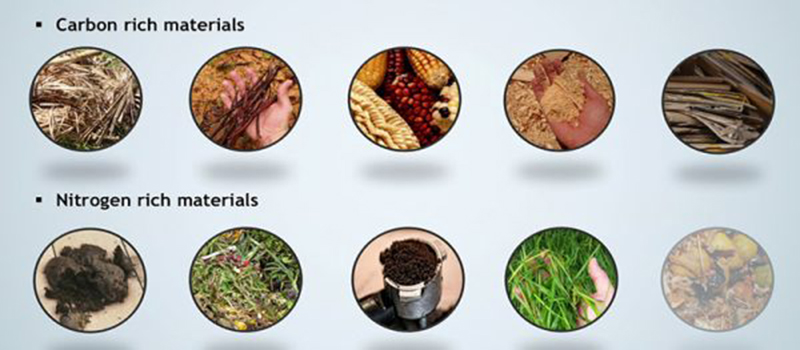
Mix the cow manure with carbon-rich materials such as straw or dried leaves. This helps balance the carbon-to-nitrogen ratio and improves aeration.

Materials for fertilizer making C N ratio adjustment

Watering:

Maintain the right moisture level by watering or deatering the composting materials. Aim for a moisture content of around 50-60%.

Microbial Inoculation:

You can introduce microbial inoculants containing beneficial bacteria and fungi to accelerate the composting process. Or add functional bacteria to make cow manure biofertilizer with richer nutrients. Click here to learn more.

Turning the Compost:

Turn the compost regularly to ensure proper aeration. This promotes the growth of aerobic microorganisms and speeds up decomposition. For this, there are various cow manure compost machine can help you a lot.

Monitoring Temperature:

Monitor the compost temperature. During the active composting phase, the temperature may rise to the thermophilic range (50-65°C or 122-149°F), helping eliminate pathogens.

Fermentation and Maturation:

Allow the compost to undergo fermentation for several weeks. This phase allows beneficial microorganisms to multiply and further breaks down organic matter.

Drying:

Once fermentation is complete, let the composted cow manure dry. Drying reduces moisture content and helps preserve the microbial activity.

Packaging and Storage:

Package the dried biofertilizer in airtight bags or containers to maintain its quality.
Store the biofertilizer in a cool, dry place away from direct sunlight.

Application:

  1. Apply the biofertilizer to the soil before or during the planting season.
  2. Mix the biofertilizer with soil or apply it directly to the root zone of plants.

This commercial biofertilizer out of cow manure, enhances soil fertility by providing essential nutrients and promoting a healthy microbial ecosystem in the soil. If you want to do it, you  can visit https://fertilizerequipmentmanufacturer.com/how-to-make-bio-fertilizer-from-cow-dung/ for more details.

Bio NPK fertilizer production line

Bio NPK fertilizer production is a dynamic and innovative process that combines biological principles with traditional nutrient management strategies to create a sustainable and environmentally friendly approach to crop nutrition. This production line integrates cutting-edge technologies, organic inputs, and microbial activities to produce high-quality NPK (Nitrogen, Phosphorus, and Potassium) fertilizers. Let’s delve into the various stages and components of the Bio NPK fertilizer production line.

Raw Material Selection:

The first crucial step in the Bio NPK fertilizer production line is the careful selection of raw materials. This process involves sourcing organic materials rich in nitrogen, phosphorus, and potassium, such as plant residues, animal manure, and organic waste. The emphasis here is on utilizing renewable resources and avoiding synthetic inputs to enhance the sustainability of the production process.

Composting and Fermentation:

Once the raw materials are collected, they undergo a controlled composting and fermentation process. This phase is essential for breaking down complex organic compounds into simpler forms, making the nutrients more readily available for plant uptake. Microorganisms play a key role in this stage, facilitating the conversion of organic matter into nutrient-rich compost.

Microbial Inoculation:

Microbial inoculation is a critical aspect of Bio NPK fertilizer production. Beneficial microorganisms, such as nitrogen-fixing bacteria and phosphate-solubilizing bacteria, are introduced to enhance nutrient availability and promote soil health. These microbes form symbiotic relationships with plants, aiding in nutrient absorption and overall crop productivity.

Fermentation Monitoring:

Throughout the fermentation process, diligent monitoring is required to ensure optimal conditions for microbial activity. Factors such as temperature, moisture content, and aeration are carefully controlled to maintain an environment conducive to beneficial microbial growth. This stage is crucial for maximizing nutrient release and minimizing the generation of harmful by-products.

Nutrient Enrichment:

Following the completion of composting and fermentation, the next phase involves nutrient enrichment. This step aims to boost the NPK content of the fertilizer through the addition of supplementary organic materials or amendments. The goal is to achieve a well-balanced nutrient composition that meets the specific requirements of different crops and soils.

Granulation and Formulation:

In the granulation and formulation stage, the enriched fertilizer undergoes a process to create uniform granules with controlled nutrient content. This step ensures ease of application and even distribution of nutrients in the soil. Various technologies, such as rotary drum granulators and extrusion systems, are employed to achieve the desired granule size and consistency.

Quality Control:

Quality control measures are implemented at multiple stages of the Bio NPK fertilizer production line to ensure the final product meets strict standards. Testing for nutrient content, microbial activity, and absence of contaminants is performed to guarantee the effectiveness and safety of the fertilizer. This commitment to quality is integral to the success of Bio NPK fertilizers in sustainable agriculture.

Conclusion:

In conclusion, the Bio NPK fertilizer production line represents a progressive and eco-friendly approach to meeting the nutritional needs of crops. By integrating biological processes, organic materials, and advanced technologies, this production line not only produces high-quality fertilizers but also contributes to soil health and environmental sustainability. As agriculture continues to evolve, the Bio NPK fertilizer production line stands as a beacon of innovation, offering a promising avenue for responsible and efficient crop nutrition. And SX can also provide you with a NPK fertilizer processing line.

How To Make Biofertilizer from Cow Dung

A biofertilizer that is made from cow dung is can supply richer nutrients to the growth of crops.
Using the cow dung as a biofertilizer for your crops can feeding the soil. That helps retain water and offers the plants vital micro and macronutrients. In addition, it’s easily accessible, affordable. So it’s widely utilized by organic farmers and small farmers.

How Can You Create a Biofertilizer from Cow Dung?

You will find numerous ways to create a biofertilizer from cow dung. However, one typical method is as follows.

  • Gather fresh cow dung and removing excessive moisture content.
  • Give the dehydrated cattle manure a suitable aeration to turn them into compost fertilizer . The fermentation process converts the organic matter in the manure into a form that is more absorbed by plants. It increases the cow manure’s effectiveness as a fertilizer. Here, SX cow manure composter can help you finish it within 20 days.
  • After the fermentation process, you will notice the mixture becoming darker in color. It will also have an earthy odor characteristic.The fermentation process produces beneficial microorganisms, such as phosphorus-solubilizing bacteria and nitrogen-fixing bacteria, that will be active in the mixture.

Now, you have a mixture that’s ready to use as a biofertilizer. Then you can choose to turn cow waste compost into powder organic fertilizer or pellets freely. Click here to learn more.
Also, it is advisable to ensure the cow dung you use is fresh, and the entire fermentation process is performed in a well-ventilated location. Doing so will help prevent any contamination in the mixture.

Useful Tips and Tricks to Keep in Mind

Are you ready to make cattle manure bio fertilizer? You need to remember important tips to make sure the final product is effective and safe. Here are some of them:

Always test the biofertilizer

Before you apply the biofertilizer to the crops, test it to guarantee it’s effective and safe. Testing can be performed by measuring potassium, phosphorus, nitrogen, pH, and other microorganisms present.

Prevent any contamination

Ensure the fermentation process is performed in a well-ventilated place away from possible sources of contamination, like industrial pollutants or pesticides.

Keep the mixture moist

Cow dungs have moisture, but you may need to adjust water content throughout the fermentation process, especially when it dries out. Always keep the moisture moist but not waterlogged to support the growth of essential microorganisms.

Monitor the temperature

Remember that the temperature at which you ferment your cow dung impacts the quantities and types of microorganisms that grow within it. The right temperature is about 32 to 37 degrees Celsius. So we recommend you add functional bacteria after drying when you plan to make granular fertilizer from cow dung.

Cow dung fertilizer production process

Use clean tools and containers

Ensure the tools and containers you use to create the biofertilizer are free of contaminants and clean. That will help to avoid the growth of dangerous bacteria during the fermentation.
It is also important to keep the ratio of cow dung to water consistent throughout the process, as well as keep the time of fermentation consistent with having a good yield of biofertilizer.

If you want to learn more about cow dung bio fertilizer production, you can visit https://fertilizerequipmentmanufacturer.com/how-to-make-bio-fertilizer-from-cow-dung/

Tips For Making Biofertilizer from Cow Dung

A cow dung biofertilizer production is a process to make fermenting cow manure into fertilizer which contains many bio bacteria.

Did you know that the entire fermentation process converts the organic matter in the cow manure into a form that is more absorbed by plants? It increases the cow manure’s effectiveness as a fertilizer.

Also, in this fermentation process, you can add  some beneficial microorganisms like nitrogen-fixing bacteria to improve the soil’s productivity and health.

In this way, you can use cow dung to produce bio organic fertilizer with rich nutrients for your crops. That helps retain water and offers the plants vital micro and macronutrients.

It’s worth mentioning that it’s widely utilized by organic farmers and small farmers as it’s easily accessible, affordable, and offers essential nutrients to plants.

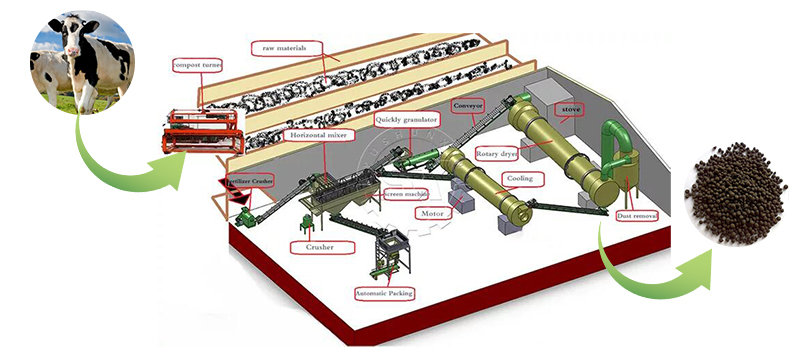
Cow dung bio fertilizer production line

How Can You Create a Biofertilizer from Cow Dung?

You will find numerous ways to create a biofertilizer from cow dung. However, one typical method of cow manure bio fertilizer making is as follows.

  • Gather fresh cow dung and process it with dewatering machine to remove excessive moisture.
  • Let the mixture ferment for several days (generally seven to ten days) in a container that enables suitable aeration.
  • In fermentation process, you can add beneficial bio bacteria in cow manure, such as phosphorus-solubilizing bacteria and nitrogen-fixing bacteria, that will makes you the nutrients of fertilizer richer.
  • After the fermentation process of cow dung, you will notice the mixture becoming darker in color. It will also have an earthy odor characteristic.
  • Now, you have a mixture that’s ready to use as a biofertilizer.

It’s worth mentioning that you can also apply your biofertilizer to the crops either as a solid by spreading it directly on the soil or diluting it with water.

Also, ensure the container you use in this process is sanitary, the cow dung is fresh, and the entire fermentation process is performed in a well-ventilated location. Doing so will help prevent any contamination in the mixture. Go here for further processing of cow dung biofertilizer.

Useful Tips and Tricks to Keep in Mind

Are you ready to make some biofertilizer from cow dung? You need to remember important tips to make sure the final product is effective and safe. Here are some of them:

  • Always test the biofertilizer

Before you apply the biofertilizer to the crops, test it to guarantee it’s effective and safe. Testing can be performed by measuring potassium, phosphorus, nitrogen, pH, and other microorganisms present.

  • Prevent any contamination

Ensure the fermentation process is performed in a well-ventilated place away from possible sources of contamination, like industrial pollutants or pesticides.

  • Keep the mixture moist

Cow dungs have moisture, but you may need to add water throughout the fermentation process, especially when it dries out. Always keep the moisture moist but not waterlogged to support the growth of essential microorganisms.

  • Monitor the temperature

Remember that the temperature at which you ferment your cow dung impacts the quantities and types of microorganisms that grow within it. The right temperature is about 60 to 70 degrees Celsius. For this, SX professional compost machine can help you a lot.

  • Use clean tools and containers

Ensure the tools and containers you use to create the biofertilizer are free of contaminants and clean. That will help to avoid the growth of dangerous bacteria during the fermentation.

It is also important to keep the ratio of cow dung to water consistent throughout the process, as well as keep the time of fermentation consistent with having a good yield of biofertilizer.

If you are interested in bio fertilizer making from cow dung, you can visit https://fertilizerequipmentmanufacturer.com/how-to-make-bio-fertilizer-from-cow-dung/ for more details.