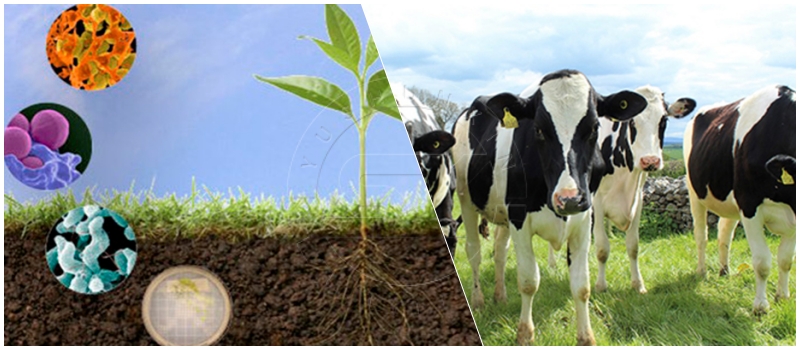
Fermentation is the core process in biofertilizer production, directly influencing nutrient availability, microbial activity, and final product stability. Whether producing powdered organic fertilizer or granular biofertilizer, selecting the right fermentation technique is essential for consistent quality and commercial success.
1. Aerobic Compost Fermentation
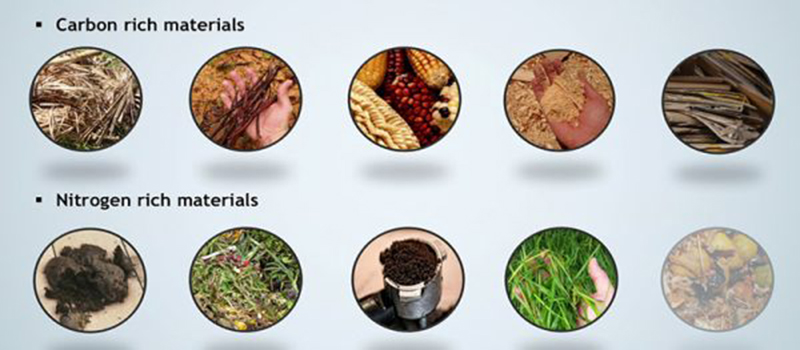
Aerobic composting is one of the most widely used organic fertilizer fermentation methods. It relies on oxygen-loving microorganisms to decompose organic materials such as livestock manure, crop residues, and agricultural waste.
In this process, maintaining proper oxygen supply, moisture content, and temperature is critical. Temperatures typically rise to 55–70°C, helping eliminate pathogens and weed seeds. Windrow composting and groove composting systems are commonly applied in medium to large-scale bio organic fertilizer plants, supported by compost turners that ensure uniform fermentation.
Aerobic fermentation is suitable for producing stable raw materials for biofertilizer granulation lines, especially when targeting pelletized organic fertilizers.

2. Anaerobic Fermentation Technology
Anaerobic fermentation, also known as oxygen-free fermentation, is widely used in liquid biofertilizer production and digestate-based fertilizer systems. Organic materials are decomposed by anaerobic microorganisms inside sealed tanks or digesters.
This method not only produces nutrient-rich liquid fertilizer but also generates biogas as a renewable energy source. Anaerobic fermentation technology is commonly applied in projects using cow dung, pig manure, or poultry waste, making it popular in integrated waste-to-fertilizer solutions.
The fermented digestate can be further processed into liquid organic fertilizer or separated and granulated for solid biofertilizer products.
3. Tank Fermentation with Microbial Inoculation
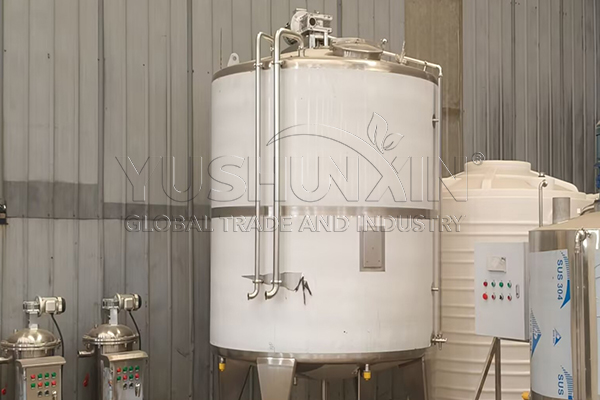
Controlled tank fermentation is often used when precise microbial activity is required. In this biofertilizer fermentation process, selected beneficial microorganisms are inoculated into organic substrates under controlled temperature and agitation conditions.
This method is ideal for producing microbial fertilizers and bio organic fertilizers with specific functional strains. Fermentation tanks equipped with heating, mixing, and monitoring systems help maintain stable conditions, improving fermentation efficiency and product consistency.
4. Semi-Fermentation Combined with Granulation
In some biofertilizer manufacturing plants, semi-fermented materials are directly fed into granulation systems. Final fermentation continues during pellet formation and post-curing. This hybrid approach shortens production cycles and reduces space requirements.
However, it requires accurate control of moisture content and granulator parameters to ensure pellet strength and microbial survival.
Choosing the Right Fermentation Solution
Each fermentation technique has its own advantages depending on raw materials, production scale, and target fertilizer form. A well-designed biofertilizer production line often combines multiple fermentation technologies to achieve optimal results.
For producers planning to upgrade or build new biofertilizer plants, working with an experienced equipment manufacturer can help optimize fermentation systems, improve process efficiency, and reduce long-term operating costs. Learn more!
Conclusion
Fermentation is the foundation of successful biofertilizer production. By selecting suitable fermentation techniques and matching them with reliable equipment, agricultural waste can be transformed into high-value biofertilizer products with strong market demand. If you don’t know how to choose the suitable fermentation process, welcome to visit: https://www.biofertilizerproduction.com/product/how-to-compost-biofertilizer/