How Do You Select NPK Fertilizer Ingredients for a 5 T/H Dry Granulation Line?

Plant owners and project investors often evaluate npk fertilizer ingredients before they plan a fertilizer processing plant. chicken manure, crop straw, humic acid, sewage sludge move through double-roll extruder, crusher, rotary dryer in a complete fertilizer extrusion line. When you select this equipment, you review capacity, material condition, and plant layout. This evaluation helps you control investment and keep production stable.
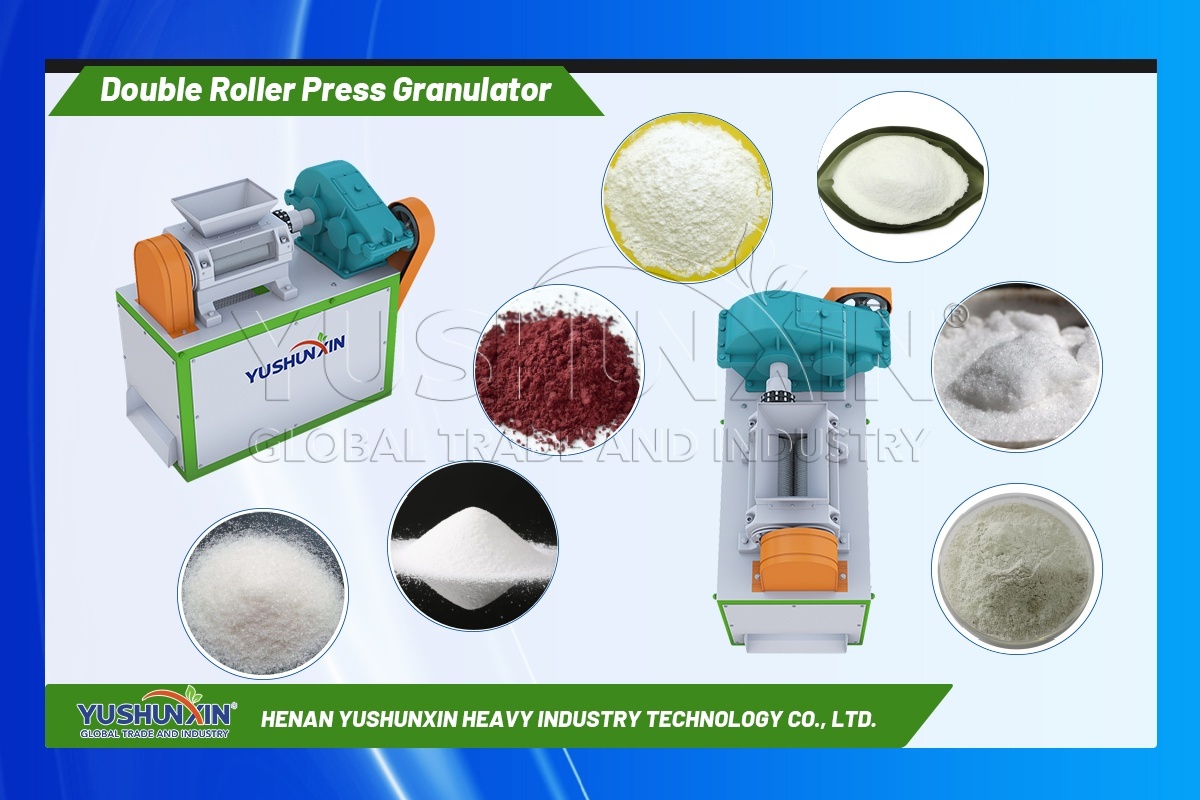
npk fertilizer ingredients

npk fertilizer ingredients

How does a npk fertilizer ingredients system support chicken manure processing?

A npk fertilizer ingredients system supports chicken manure processing by connecting the main machine with feeding, mixing, and screening. You can prepare chicken manure, crop straw, humic acid, sewage sludge before the machine starts. A double-roll extruder and a crusher help control material flow, while a rotary dryer protects product quality. This layout keeps the fertilizer processing plant stable and reduces manual transfer. You can also compare this process with standard fertilizer manufacturing system principles when you design the line. This preparation improves the fertilizer machinery and keeps the fertilizer equipment balanced. This setup also simplifies maintenance and reduces unexpected stops.

Why does a npk fertilizer ingredients line suit continuous fertilizer production?

A npk fertilizer ingredients line suits continuous fertilizer production because it handles chicken manure, crop straw, humic acid, sewage sludge in a steady flow. You can arrange the equipment so the material moves from intake to packing without long stops. The double-roll extruder feeds the next stage at a stable rate, and the crusher forms the product into a uniform shape. This coordination reduces bottlenecks and keeps the fertilizer extrusion line efficient. You can also add a rotary dryer to return off-size material for rework, which lowers waste and improves product consistency. The steady output supports daily packing and dispatch targets.

Which organic fertilizer extrusion technology factors should you review before selection?

organic fertilizer extrusion technology helps you choose the right equipment for chicken manure, crop straw, humic acid, sewage sludge. You can review moisture, particle size, capacity, and plant space before you order. A clear process flow reduces transfer points and protects the fertilizer equipment. This comparison also helps you balance fertilizer machinery with long-term operating cost. You can then match the selected machine to the fertilizer manufacturing system and keep the fertilizer processing plant running smoothly. This review helps you avoid buying oversized or undersized fertilizer machinery.

How can producers compare organic fertilizer standards for this fertilizer manufacturing process?

You can compare the general process described under organic fertilizer when you set the product standard and material specification. This reference helps you understand why moisture and particle size matter for chicken manure, crop straw, humic acid, sewage sludge. You can also adjust the double-roll extruder and the crusher according to the target output. This control supports the fertilizer extrusion line and keeps the fertilizer processing plant consistent during peak production. This preparation also supports repeat product quality across production batches.

To summarize, how do you select npk fertilizer ingredients for a 5 t/h dry granulation line depends on material condition, equipment scope, and production capacity. You can match each machine to the required output and product form. A reliable fertilizer machinery manufacturer can supply the complete fertilizer manufacturing system. Yushunxin provides this fertilizer production equipment. If you have interests, you can learn more about https://www.extruder-granulator.com/raw-materials-for-npk-fertilizer-production
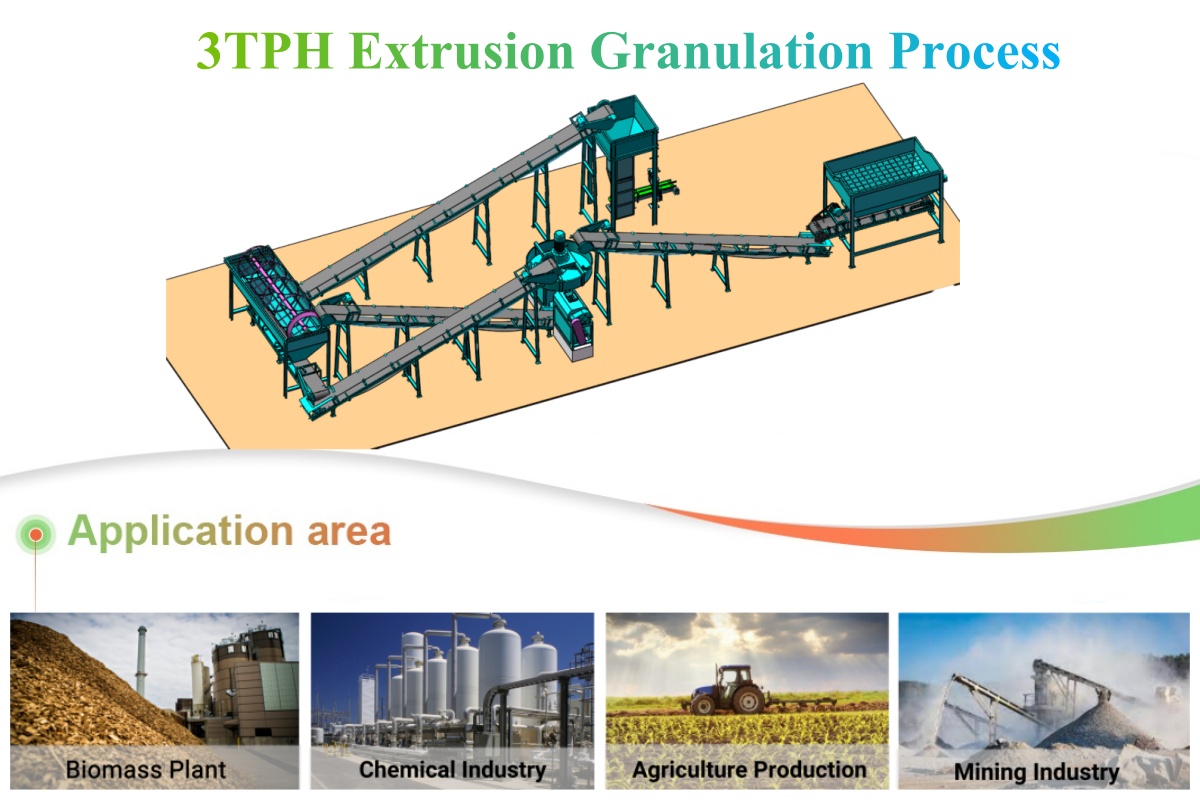
How Much Does a 3 T/H Extrusion Granulation Process Machine Cost?

Fertilizer plant owners often evaluate a 3 t/h extrusion granulation process machine before they add a small organic or NPK granulation line. The cost depends on machine configuration, raw material moisture, and the number of supporting units such as crushers, mixers, and screens. You can process chicken manure, crop straw, humic acid, and sewage sludge through a dry roller press without a large dryer. When you estimate the cost, you review capacity, roller size, and the scope of the fertilizer machinery.

3 t/h extrusion granulation process machine

3 t/h extrusion granulation process machine

Which factors change a 3 t/h extrusion granulation process machine cost?

Capacity, roller size, motor power, and auxiliary equipment change a 3 t/h extrusion granulation process machine cost. You can choose a basic machine with a mixer and a screen, or a complete system with a crusher, conveyor, and packing scale. You can also compare the general principles of organic fertilizer processing when you decide whether drying is necessary. This review helps you keep the fertilizer production budget clear.

How does a 3 t/h extrusion granulation process machine system reduce drying cost?

A 3 t/h extrusion granulation process machine system reduces drying cost because the double roller press forms granules at room temperature. You can mix the organic powder, feed it into the rollers, and move the pellets to screening and packing without a steam dryer. Organic fertilizer extrusion technology supports this dry forming route and keeps the fertilizer processing plant compact.

Which machine combination creates a complete 3 t/h extrusion granulation process machine line?

A 3 t/h extrusion granulation process machine line usually includes a crusher, a mixer, the roller press, a screening machine, and a packing scale. You can add a rotary dryer only when the raw material carries too much moisture. This staged layout protects the fertilizer machinery and keeps the fertilizer manufacturing process stable.

Which output and granule size should a small fertilizer plant reserve?

A small fertilizer plant can reserve a granule size from about 3 mm to 10 mm and keep the hourly output close to 3 tons. You can adjust the roller socket shape and size according to the market requirement. This flexibility helps your team produce uniform pellets and avoid overloading the fertilizer extrusion line.

Why should a 3 t/h extrusion granulation process machine line include a crusher and screen?

A 3 t/h extrusion granulation process machine line should include a crusher and screen because uniform feedstock improves roller pressing and product quality. The crusher breaks oversized organic material before the mixer, and the screen removes fine or oversize granules after pressing. You can return the off-size material to the crusher for another pass. This loop keeps the fertilizer extrusion line balanced and protects the fertilizer machinery from uneven loads.

To summarize, a 3 t/h extrusion granulation process machine cost depends on machine scope, moisture control, and supporting equipment. You can choose a dry roller press line to reduce energy use and drying investment. A fertilizer machinery manufacturer can help you configure the complete system. Yushunxin provides this extrusion granulation equipment. If you have interests, you can learn more about https://www.extruder-granulator.com/3-t-h-extrusion-granulation-process

How Do You Choose a Double Roller Press Granulator by Raw Material, Capacity, and Granule Size?

A double roller press granulator helps your plant choose the right dry granulation route for compound fertilizer or organic fertilizer. You can compare raw material moisture, hourly capacity, and the finished granule size before selecting a model. The machine presses chicken manure, crop straw, humic acid, and sewage sludge into dense sheets, then breaks the sheets into uniform granules. This dry route fits a fertilizer production line without a dryer or cooler.

double roller press granulator

double roller press granulator

How does raw material choice affect a double roller press granulator?

Chicken manure and sewage sludge may need dewatering or fermentation before pressing, while crop straw and humic acid may need crushing and blending. Your operators can adjust roller pressure and feed speed when the material changes from soft organic matter to dense mineral powder. A steady feed keeps the powder layer even between the rollers and reduces dust. This control helps the double roller press granulator system produce consistent granules from different raw materials.

How do capacity and granule size guide model selection?

Smaller roller models often support about 1 to 1.5 tons per hour, while larger rollers support 1.5 to 3 tons per hour. Your team can match the machine to the daily output and choose a mold that forms the required particle size. Compound fertilizer granules commonly fall between 4 mm and 5 mm, while special materials may need 8 mm or 10 mm. The double roller press granulator line can also use pillow, cylindrical, or flat-spherical molds for different market needs.

How does dry roller granulation fit a fertilizer manufacturing system?

The dry route removes the dryer and cooler, so your plant uses less energy and occupies less space. You can connect a horizontal mixer, chain crusher, the roller granulator, a screening machine, and a packaging scale into one flow. The screen returns fine powder to the feed, which raises material use. This arrangement supports a fertilizer extrusion technology for both compound and organic fertilizer. You can also review organic fertilizer extrusion technology to see a complete dry granulation line in operation.

How can plant owners compare roller press machines before purchase?

You can compare roller size, motor power, pellet shape, and the type of supporting equipment your project needs. A simple production scheme may use a storage bin instead of an automatic batching system, which lowers the initial budget. Your team can add an automatic batching system later when the plant grows. For background on organic nutrients, you can read the organic fertilizer reference. A fertilizer machinery manufacturer can provide roller specifications and a line drawing for your capacity.

Yushunxin supplies double roller press granulators and supporting equipment for dry granulation plants. If your team has interest in the machine, you can learn more about https://www.extruder-granulator.com/double-roller-extruder-granulator.

Which Roller Press Machine Fits a 1-3 T/H Dry Granulation Plant?

A roller press machine gives a 1-3 t/h dry granulation plant a compact route from powder to finished granules. The machine uses two rollers to press chicken manure, crop straw, humic acid, and sewage sludge into dense sheets, then breaks the sheets into uniform particles. Your plant can run the granulator at normal temperature without a dryer or cooler. This dry method fits a small or medium fertilizer production line that needs simple operation and steady output.

roller press machine

roller press machine

How does a roller press machine form granules from chicken manure, crop straw, humic acid, and sewage sludge?

The feed hopper sends the blended powder between two counter-rotating rollers, and the rollers press the material into a compact sheet. A crushing unit then breaks the sheet into granules, and a screen separates the target size from fine powder. Your operators can adjust roller pressure and feed speed for different material moisture levels. This process works without added water, so the roller press machine system keeps the production flow short and reduces drying cost.

Which roller size and power fit a 1-3 t/h dry granulation plant?

Smaller roller models suit a plant that produces about 1 to 1.5 tons per hour, while larger rollers support 1.5 to 3 tons per hour. Your team can compare roller diameter, motor power, and finished granule size before choosing a model. A machine with a 150 mm or 186 mm roller width often works well for small NPK and organic fertilizer batches. The roller press machine line can produce granules from 3 mm to 15 mm depending on the mold you select.

How does the dry roller process support a fertilizer manufacturing system?

The dry granulation route removes the dryer and cooler, so your plant uses less energy and needs less space. You can connect a horizontal mixer, a chain crusher, the roller granulator, a screening machine, and a packaging scale into one flow. The screen returns fine powder to the feed, which improves material use. This arrangement supports continuous fertilizer extrusion technology for both compound and organic fertilizer. You can review organic fertilizer extrusion technology to see a complete dry granulation line in operation.

How can a small plant choose the right roller press granulator?

You can compare hourly output, roller size, power use, and the particle shape your market requires. A simple individual production scheme uses a storage bin instead of an automatic batching system, which lowers the initial budget. Your team can later add an automatic batching system when the plant grows. For background on organic nutrients, you can read the organic fertilizer reference. A fertilizer machinery manufacturer can provide roller specifications and a line drawing for your capacity.

Yushunxin supplies roller press granulators and supporting equipment for small dry granulation plants. If your team has interest in the machine, you can learn more about https://www.extruder-granulator.com/double-roller-extruder-granulator.

How Do Urea, Ammonium Sulfate, Potassium Chloride, and Potassium Sulfate Affect NPK Dry Granulation?

Your choice of npk fertilizer raw material changes how the dry granulation machine handles moisture, pressure, and finished granule strength. Urea absorbs moisture easily, while ammonium sulfate, potassium chloride, and potassium sulfate behave differently under pressure. A double roller granulator can process these materials without water, but your operators must adjust the feed and roller pressure for each formula. This control helps a fertilizer production line make stable NPK granules from dry powder.

npk fertilizer raw material

npk fertilizer raw material

How do urea and ammonium sulfate affect NPK dry granulation?

Urea brings nitrogen into the blend, but it can absorb moisture from the air and become sticky. Your team can feed urea at a steady rate and keep the roller pressure moderate so the powder forms a firm sheet without clogging the machine. Ammonium sulfate supplies both nitrogen and sulfur, and it forms granules with good hardness in a dry process. When these two materials combine with potassium sources, the npk fertilizer raw material system needs consistent batching to keep the nutrient ratio stable.

How do potassium chloride and potassium sulfate influence granule quality?

Potassium chloride provides a concentrated potassium source, while potassium sulfate adds potassium and sulfur without chloride. The two materials may flow differently through the hopper, so your operators can test each formula before full production. A steady feeder keeps the powder layer even between the rollers, and the screen returns fine particles to the process. These steps help the npk fertilizer raw material line produce granules with uniform size and sufficient strength for storage and transport.

Which dry granulation settings suit different NPK raw materials?

Roller pressure, gap clearance, and feed speed matter most. Your operators can lower pressure for soft or sticky powders and raise it for dense mineral materials. The granulation machine compacts the powder into a sheet, and a crushing unit forms granules without adding moisture. This fertilizer extrusion technology gives the organic fertilizer extrusion technology a flexible route for both compound and organic fertilizer production. A well-adjusted machine also reduces dust and returns undersized powder to the feed.

How can plant owners build a stable NPK fertilizer manufacturing system?

You can connect a batching machine, a crusher, a mixer, the roller granulator, a screen, and a packaging machine into one flow. The batching machine weighs each raw material, and the mixer blends the NPK components before they enter the granulator. The screen keeps the granule size within range, and the packaging machine fills bags at a steady pace. These machines give your fertilizer processing plant a continuous process from raw powder to finished product. For background on nutrient sources, you can read the organic fertilizer article. A fertilizer machinery manufacturer can provide roller specifications and line layouts for your NPK formula.

Yushunxin can supply roller granulators and supporting machines for NPK dry granulation. If your team has interest in the raw material process, you can learn more about https://www.extruder-granulator.com/raw-materials-for-npk-fertilizer-production.