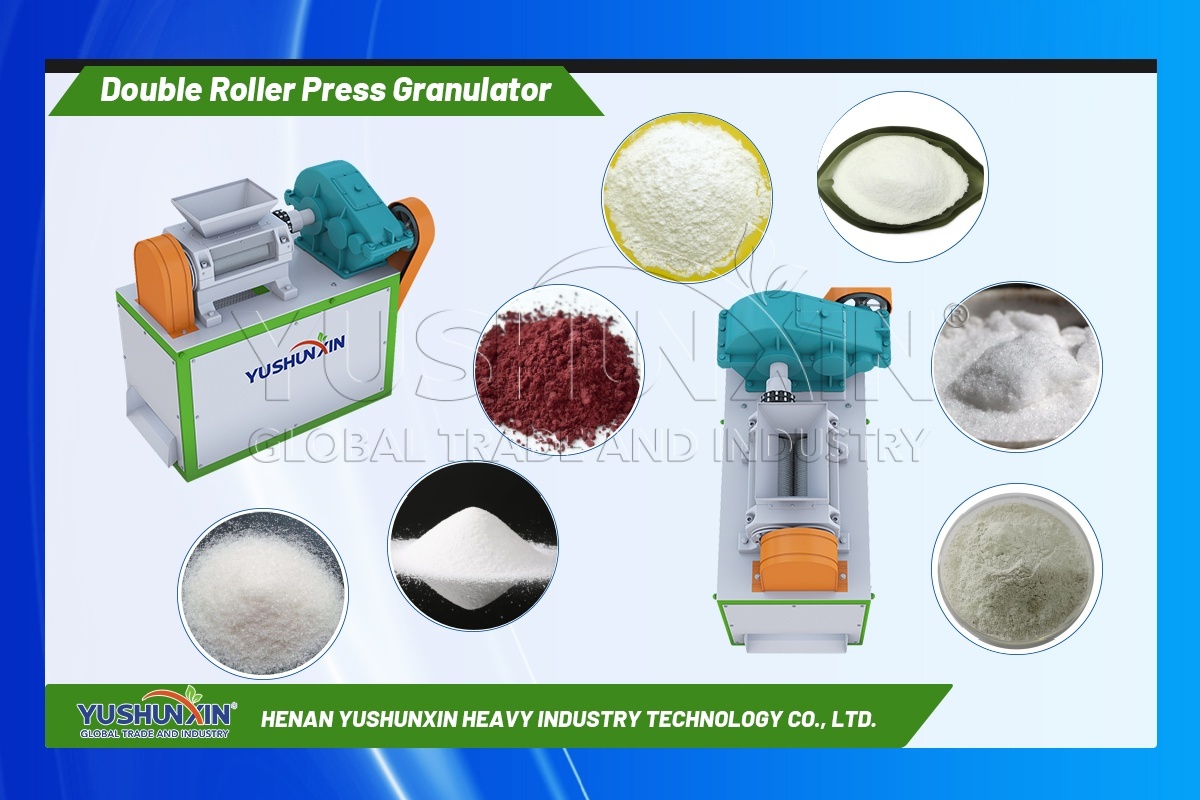
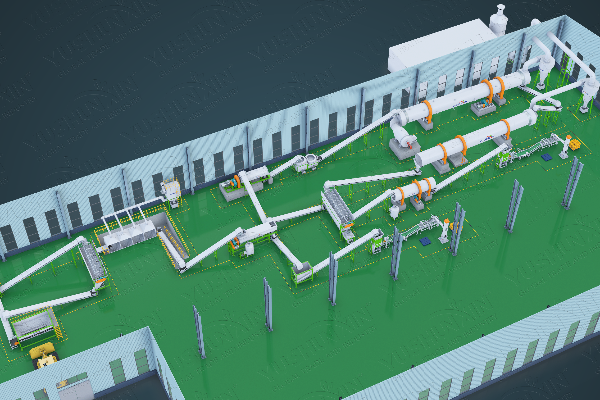
How Does Double Roller Extrusion Granulation Handle High-Moisture Mineral Materials?

Plant owners and project investors often evaluate double roller extrusion granulator before they plan a fertilizer processing plant. phosphate rock, limestone, dolomite, potassium feldspar move through ball mill, pan granulator, rotary dryer in a complete fertilizer granulation line. When you select this equipment, you review capacity, material condition, and plant layout. This evaluation helps you control investment and keep production stable.
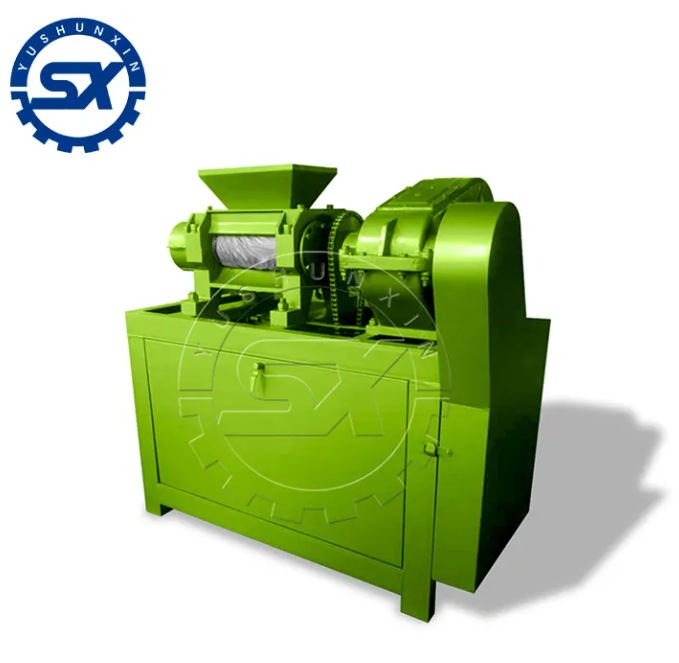
double roller extrusion granulator

double roller extrusion granulator

How does a double roller extrusion granulator system support phosphate rock processing?

A double roller extrusion granulator system supports phosphate rock processing by connecting the main machine with feeding, mixing, and screening. You can prepare phosphate rock, limestone, dolomite, potassium feldspar before the machine starts. A ball mill and a pan granulator help control material flow, while a rotary dryer protects product quality. This layout keeps the fertilizer processing plant stable and reduces manual transfer. You can also compare this process with standard fertilizer manufacturing system principles when you design the line. This preparation improves the fertilizer equipment and keeps the fertilizer machinery balanced. This setup also simplifies maintenance and reduces unexpected stops.

Why does a double roller extrusion granulator line suit continuous fertilizer production?

A double roller extrusion granulator line suits continuous fertilizer production because it handles phosphate rock, limestone, dolomite, potassium feldspar in a steady flow. You can arrange the equipment so the material moves from intake to packing without long stops. The ball mill feeds the next stage at a stable rate, and the pan granulator forms the product into a uniform shape. This coordination reduces bottlenecks and keeps the fertilizer granulation line efficient. You can also add a rotary dryer to return off-size material for rework, which lowers waste and improves product consistency. The steady output supports daily packing and dispatch targets.

Which mineral fertilizer granulation technology factors should you review before selection?

mineral fertilizer granulation technology helps you choose the right equipment for phosphate rock, limestone, dolomite, potassium feldspar. You can review moisture, particle size, capacity, and plant space before you order. A clear process flow reduces transfer points and protects the fertilizer machinery. This comparison also helps you balance fertilizer equipment with long-term operating cost. You can then match the selected machine to the fertilizer manufacturing system and keep the fertilizer processing plant running smoothly. This review helps you avoid buying oversized or undersized fertilizer machinery.

How can producers compare mineral fertilizer standards for this fertilizer manufacturing process?

You can compare the general process described under mineral fertilizer when you set the product standard and material specification. This reference helps you understand why moisture and particle size matter for phosphate rock, limestone, dolomite, potassium feldspar. You can also adjust the ball mill and the pan granulator according to the target output. This control supports the fertilizer granulation line and keeps the fertilizer processing plant consistent during peak production. This preparation also supports repeat product quality across production batches.

To summarize, how does double roller extrusion granulation handle high-moisture mineral materials depends on material condition, equipment scope, and production capacity. You can match each machine to the required output and product form. A reliable mineral fertilizer equipment manufacturer can supply the complete fertilizer manufacturing system. Yushunxin provides this fertilizer production equipment. If you have interests, you can learn more about https://www.mineralfertilizerproductionsolutions.com/product/double-roller-press-granulator
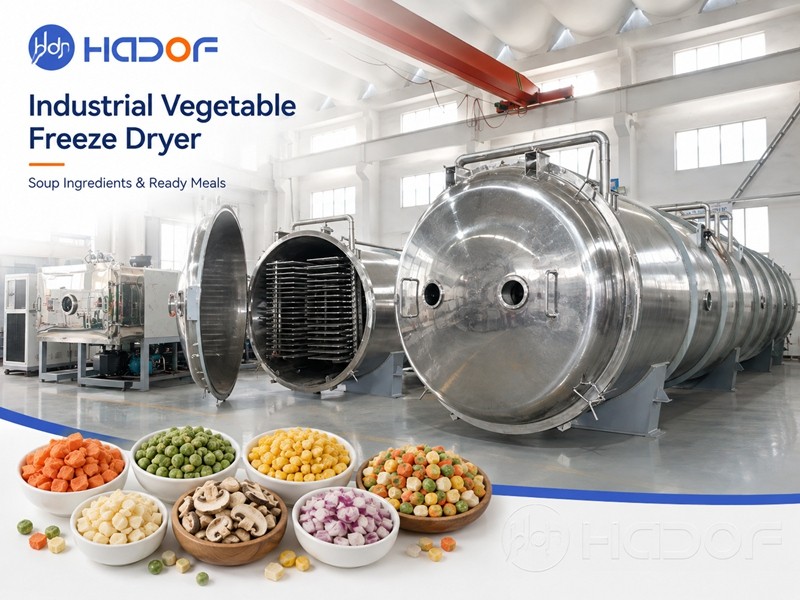
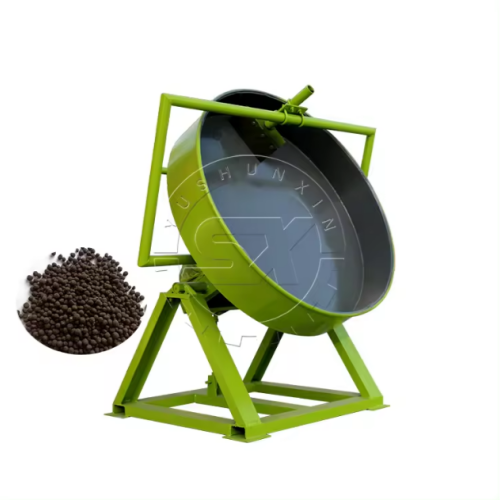
Freeze-Dried Soup and Ready Meal Ingredients: A Production Line Guide

Instant soups, ready meals, and convenience foods all depend on ingredients that are light, stable, and fast to rehydrate. Freeze-dried vegetables and other ingredients deliver exactly that. They keep their shape, color, and nutrients, rehydrate in minutes, and can be stored at ambient temperature for years. For food factories supplying the ready-meal and soup market, a dedicated freeze-drying line is a way to add value to fresh produce and build a reliable ingredient business.

Why Freeze-Dried Ingredients

Conventional drying can shrink vegetables, darken their color, and drive off aroma. Freeze drying removes water at low temperature, so the product keeps its original structure and much of its nutritional value. When the ingredient is added to a soup or ready meal, it rehydrates quickly and closely resembles the fresh material. Because the finished product is very light, shipping and storage costs drop sharply, which matters for both domestic distribution and export.

Industrial Vegetable Freeze Dryer for Soup Ingredients & Ready Meals

Industrial Vegetable Freeze Dryer for Soup Ingredients & Ready Meals

The Production Process

A freeze-dried soup and ready-meal ingredient line usually follows this sequence:

  1. Receiving and washing — fresh vegetables are inspected and washed.
  2. Cutting and size reduction — product is sliced or diced to a uniform size.
  3. Blanching — a short heat step stabilizes color and enzymes.
  4. Pre-freezing — the product is frozen quickly to protect texture.
  5. Vacuum freeze drying — ice sublimates directly to vapor at low temperature.
  6. Sorting and packaging — dried ingredients are checked and packed in barrier packaging.

Each step affects the next. Uneven cutting leads to uneven drying, and poor blanching can leave the product with off-colors or poor rehydration.

Equipment for the Line

The core of the line is the industrial vegetable freeze dryer, sized around the batch weight and shelf area your product needs. Around it, the line needs washing equipment, cutting and dicing machinery, a blanching machine, a pre-freezer, and a packing machine. For factories that also process fruit, the same line can often handle both categories with recipe and tray changes.

Pre-processing deserves attention. A bubble washer, brush roller cleaner, or vibrating dewatering machine improves product quality and reduces water load before drying. Cutting equipment should produce a consistent size so that every piece dries at the same rate. A blanching machine stabilizes color and texture before freezing.

Capacity and Configuration

Capacity is usually specified by batch weight or shelf area. Producers often start with a batch size that matches their fresh-produce supply and then add capacity as demand grows. The right size depends on your product mix, drying cycle, and target output. Under-sizing the dryer leaves product waiting and risks quality loss; over-sizing raises running costs. A practical approach is to size the industrial freeze dryer to a comfortable daily batch and plan the building so a second unit can be added later.

For producers who want a complete solution, a freeze-dried vegetable production line combines washing, cutting, blanching, freezing, drying, and packing into one coordinated flow. That reduces handling, improves consistency, and makes the line easier to manage.

Quality Control

Quality control starts with the raw material. Vegetables should be fresh, firm, and consistent in size. Blanching times and temperatures must be controlled so the product keeps its color without becoming soft. The freeze-drying process should be logged for pressure, shelf temperature, and cycle time, and finished ingredients should be tested for moisture, color, and rehydration. Hygiene and traceability are essential, because these ingredients go into food products sold to consumers.

Common Mistakes to Avoid

The first mistake is cutting vegetables to inconsistent sizes, which leads to uneven drying. The second is skipping or over-doing blanching, which affects color and texture. The third is overloading trays, which blocks vapor flow and lengthens the cycle. The fourth is freezing too slowly, which produces large ice crystals and damages structure. Finally, poor packaging lets the ingredients absorb moisture and lose their crisp texture. A well-designed line and a simple quality checklist prevent most of these problems.

Conclusion

Freeze-dried vegetables and ingredients are a practical way to supply the growing soup and ready-meal market with high-quality, shelf-stable components. The line is straightforward — wash, cut, blanch, freeze, dry, and pack — but each stage must be designed around the product. HADOF Food Processing Manufacture designs complete production lines for freeze-dried soup and ready-meal ingredients, from pre-processing to the freeze dryer and packaging. Tell us your product and target output, and we will help you plan the right line.

How Much Does a Carbon Black Granulation Plant Cost for Mineral Powder Processing?

Plant owners and project investors often evaluate carbon black granulation plant cost before they plan a fertilizer processing plant. phosphate rock, limestone, dolomite, potassium feldspar move through ball mill, pan granulator, rotary dryer in a complete fertilizer granulation line. When you select this equipment, you review capacity, material condition, and plant layout. This evaluation helps you control investment and keep production stable.

carbon black granulation plant cost

carbon black granulation plant cost

How does a carbon black granulation plant cost system support phosphate rock processing?

A carbon black granulation plant cost system supports phosphate rock processing by connecting the main machine with feeding, mixing, and screening. You can prepare phosphate rock, limestone, dolomite, potassium feldspar before the machine starts. A ball mill and a pan granulator help control material flow, while a rotary dryer protects product quality. This layout keeps the fertilizer processing plant stable and reduces manual transfer. You can also compare this process with standard fertilizer manufacturing system principles when you design the line. This preparation improves the fertilizer equipment and keeps the fertilizer machinery balanced. This setup also simplifies maintenance and reduces unexpected stops.

Why does a carbon black granulation plant cost line suit continuous fertilizer production?

A carbon black granulation plant cost line suits continuous fertilizer production because it handles phosphate rock, limestone, dolomite, potassium feldspar in a steady flow. You can arrange the equipment so the material moves from intake to packing without long stops. The ball mill feeds the next stage at a stable rate, and the pan granulator forms the product into a uniform shape. This coordination reduces bottlenecks and keeps the fertilizer granulation line efficient. You can also add a rotary dryer to return off-size material for rework, which lowers waste and improves product consistency. The steady output supports daily packing and dispatch targets.

Which mineral fertilizer granulation technology factors should you review before selection?

mineral fertilizer granulation technology helps you choose the right equipment for phosphate rock, limestone, dolomite, potassium feldspar. You can review moisture, particle size, capacity, and plant space before you order. A clear process flow reduces transfer points and protects the fertilizer machinery. This comparison also helps you balance fertilizer equipment with long-term operating cost. You can then match the selected machine to the fertilizer manufacturing system and keep the fertilizer processing plant running smoothly. This review helps you avoid buying oversized or undersized fertilizer machinery.

How can producers compare mineral fertilizer standards for this fertilizer manufacturing process?

You can compare the general process described under mineral fertilizer when you set the product standard and material specification. This reference helps you understand why moisture and particle size matter for phosphate rock, limestone, dolomite, potassium feldspar. You can also adjust the ball mill and the pan granulator according to the target output. This control supports the fertilizer granulation line and keeps the fertilizer processing plant consistent during peak production. This preparation also supports repeat product quality across production batches.

To summarize, how much does a carbon black granulation plant cost for mineral powder processing depends on material condition, equipment scope, and production capacity. You can match each machine to the required output and product form. A reliable mineral fertilizer equipment manufacturer can supply the complete fertilizer manufacturing system. Yushunxin provides this fertilizer production equipment. If you have interests, you can learn more about https://www.mineralfertilizerproductionsolutions.com/product/carbon-black-granulation-plant

What Are the Most Common Mini Industrial Fryer for Small Food Factory Maintenance Issues and How Can They Be Prevented?

A small snack factory or a pilot plant that runs a mini fryer depends on clean oil and steady temperature to avoid stops. The mini industrial fryer for small food factory carries the product on a stainless mesh belt, and most maintenance issues start in the oil or the belt. This article explains the common problems and the checks that keep a food production line running.

mini industrial fryer for small food factory

How Does Oil Build-Up Stop the Fryer?

The food residues collect in the oil and burn onto the tank, so the oil darkens and the product picks up off flavors. The compact continuous fryer with a stainless mesh belt needs the oil filtered and changed on a schedule, and the tank drained and cleaned. A clean oil keeps the food manufacturing quality and the fryer steady.

How Does the Belt Wear Affect the Product?

The mesh belt carries the product through the oil, and a loose or damaged belt lets the pieces stick or drop. The small automatic fryer with temperature control needs the belt tension and the links checked, because a worn belt slows the line. This check protects the food handling and the output.

How Should a Plant Prevent Downtime?

A plant schedules the oil filter, the belt, and the temperature checks on a fixed cycle, because a planned stop costs less than a failed fryer during a run. The fryer supports a liftable cover and a drainable tank, so the clean stays short. This preventive care protects the food equipment uptime.

How Does the Fryer Connect With a Larger Line?

A mini fryer works best when the drained product arrives on a belt and the fried product leaves to cooling or seasoning. The machine connects with a continuous fryer for a larger food line, a drainer, and a packer. A smooth connection keeps the food processing system moving.

How Should a Plant Verify the Supplier?

Frying rewards a supplier that offers spare parts and service, because the fryer runs hot. You can review the mini fryer manufacturer before a purchase, and that review shows the heating and support. A scheduled routine turns the food machinery decision into dependable uptime.

How Does the Temperature Drift Lower Quality?

The temperature sensor and the control hold the oil steady, so the product fries to the same color instead of running too light or too dark. A drifted setting makes the snack uneven and raises the rejects. A plant that checks the sensor keeps the food manufacturing result consistent. This control is the quality safeguard that the maintenance routine protects.

Conclusion

The most common mini industrial fryer issues are oil build-up and belt wear, and a plant prevents them with a fixed filter, belt, and temperature schedule. These habits keep the food production line running. A well planned line therefore stays productive across the full shift. A clean fryer also keeps the product color even from the first batch to the last. If you have interests, you can learn more about https://www.friedfoodsolutions.com/mini-continuous-fryer-machine/

What Equipment Is Needed for an NPK Blending Fertilizer Production Line?

Plant owners and project investors often evaluate npk blending fertilizer production line before they plan a fertilizer processing plant. urea, diammonium phosphate, potassium chloride, ammonium sulfate move through batching system, rotary drum granulator, screening machine in a complete fertilizer production line. When you select this equipment, you review capacity, material condition, and plant layout. This evaluation helps you control investment and keep production stable.

npk blending fertilizer production line

npk blending fertilizer production line

How does a npk blending fertilizer production line system support urea processing?

A npk blending fertilizer production line system supports urea processing by connecting the main machine with feeding, mixing, and screening. You can prepare urea, diammonium phosphate, potassium chloride, ammonium sulfate before the machine starts. A batching system and a rotary drum granulator help control material flow, while a screening machine protects product quality. This layout keeps the fertilizer processing plant stable and reduces manual transfer. You can also compare this process with standard fertilizer manufacturing system principles when you design the line. This preparation improves the fertilizer equipment and keeps the fertilizer machinery balanced. This setup also simplifies maintenance and reduces unexpected stops.

Why does a npk blending fertilizer production line machine suit continuous fertilizer production?

A npk blending fertilizer production line machine suits continuous fertilizer production because it handles urea, diammonium phosphate, potassium chloride, ammonium sulfate in a steady flow. You can arrange the equipment so the material moves from intake to packing without long stops. The batching system feeds the next stage at a stable rate, and the rotary drum granulator forms the product into a uniform shape. This coordination reduces bottlenecks and keeps the fertilizer production line efficient. You can also add a screening machine to return off-size material for rework, which lowers waste and improves product consistency. The steady output supports daily packing and dispatch targets.

Which compound fertilizer processing technology factors should you review before selection?

compound fertilizer processing technology helps you choose the right equipment for urea, diammonium phosphate, potassium chloride, ammonium sulfate. You can review moisture, particle size, capacity, and plant space before you order. A clear process flow reduces transfer points and protects the fertilizer machinery. This comparison also helps you balance fertilizer equipment with long-term operating cost. You can then match the selected machine to the fertilizer manufacturing system and keep the fertilizer processing plant running smoothly. This review helps you avoid buying oversized or undersized fertilizer machinery.

How can producers compare fertilizer standards for this fertilizer manufacturing process?

You can compare the general process described under fertilizer when you set the product standard and material specification. This reference helps you understand why moisture and particle size matter for urea, diammonium phosphate, potassium chloride, ammonium sulfate. You can also adjust the batching system and the rotary drum granulator according to the target output. This control supports the fertilizer production line and keeps the fertilizer processing plant consistent during peak production. This preparation also supports repeat product quality across production batches.

To summarize, what equipment is needed for an npk blending fertilizer production line depends on material condition, equipment scope, and production capacity. You can match each machine to the required output and product form. A reliable fertilizer equipment manufacturer can supply the complete fertilizer manufacturing system. Yushunxin provides this fertilizer production equipment. If you have interests, you can learn more about https://www.fertilizerproductequipment.com/npk-fertilizer-production-technology

Which Leafy Vegetables Can Be Processed Efficiently with an Industrial Air Dryer Food?

A salad factory, a fresh-cut supplier, or a central kitchen that dries leafy vegetables after washing needs an air dryer that removes surface moisture without bruising the leaves. The industrial air dryer food for leafy vegetables offers parallel and turning designs, and each fits a different leaf type. This article explains which leafy greens the dryer handles and how the food processing step stays efficient.

industrial air dryer food

Which Air Dryer Type Fits Leafy Vegetables?

The parallel air dryer suits flat, whole leaves, while the turning or tumble air dryer suits cut and smaller pieces, so the choice follows the leaf size. The parallel and turning air dryer for a food processing line uses strong airflow to lift the surface moisture after washing, blanching, or freezing preparation. A factory that matches the type to the leaf keeps the food manufacturing dry even and the leaf intact.

How Does Airflow Protect Leafy Green Quality?

The airflow removes the surface water that causes mold and short shelf life, so the dryer protects both the appearance and the storage. The air drying machine for washed leafy greens handles lettuce, spinach, cabbage, and cut salad mix, and a steady air flow keeps the leaves from clumping. A plant that dries fully before packing keeps the food preparation quality high.

How Does the Dryer Connect With Washing and Cutting?

An air dryer works best when the washed and drained leaves arrive on a belt and the dried product leaves directly to packing. The line connects with a washer, a drainer, and a leafy vegetable cutting machine for a drying line, and each handoff needs a matched speed. A smooth connection keeps the food processing system moving and the leaves dry.

How Should a Buyer Match the Dryer to the Volume?

A buyer matches the dryer capacity to the daily leaf volume, because a small salad line and a large fresh-cut plant need different sizes. The parallel and turning machines scale to the output, so the plant picks the size that fits the wash line. This match keeps the food machinery cost proportional to volume.

How Should a Factory Verify the Dryer?

Drying leafy greens rewards a trial with the plant’s own leaves, because moisture and leaf size change the airflow. You can review the air dryer manufacturer before a purchase, and that review shows the airflow and service support. A measured run turns the food machinery decision into a dependable result.

How Does the Dryer Reduce Mold and Extend Shelf Life?

Surface water is the main trigger for mold and early spoilage, so a complete air dry extends the storage time and keeps the leaves crisp. The dryer removes the moisture that a drainer alone leaves behind, and that dry surface travels better in a bag. A salad supplier that dries fully before packing sends a product that stays fresh longer. This shelf life benefit is the food preparation result that the air drying step protects.

Conclusion

Leafy vegetables such as lettuce, spinach, and cabbage dry efficiently on an industrial air dryer when the factory matches the parallel or turning type to the leaf and connects the dryer to washing and cutting. These choices keep the food production line clean and the shelf life long. If you have interests, you can learn more about https://www.hadofps.com/products/air-dryer/

How Do You Prevent Blockages in a Compost Grinder Machine?

Plant owners and project investors often evaluate compost grinder machine system before they plan a fertilizer processing plant. urea, diammonium phosphate, potassium chloride, ammonium sulfate move through batching system, rotary drum granulator, screening machine in a complete fertilizer production line. When you select this equipment, you review capacity, material condition, and plant layout. This evaluation helps you control investment and keep production stable.

compost grinder machine

compost grinder machine

How does a compost grinder machine line support urea processing?

A compost grinder machine line supports urea processing by connecting the main machine with feeding, mixing, and screening. You can prepare urea, diammonium phosphate, potassium chloride, ammonium sulfate before the machine starts. A batching system and a rotary drum granulator help control material flow, while a screening machine protects product quality. This layout keeps the fertilizer processing plant stable and reduces manual transfer. You can also compare this process with standard fertilizer manufacturing system principles when you design the line. This preparation improves the fertilizer equipment and keeps the fertilizer machinery balanced. This setup also simplifies maintenance and reduces unexpected stops.

Why does a NPK compound fertilizer production solution 2 suit continuous fertilizer production?

A NPK compound fertilizer production solution 2 suits continuous fertilizer production because it handles urea, diammonium phosphate, potassium chloride, ammonium sulfate in a steady flow. You can arrange the equipment so the material moves from intake to packing without long stops. The batching system feeds the next stage at a stable rate, and the rotary drum granulator forms the product into a uniform shape. This coordination reduces bottlenecks and keeps the fertilizer production line efficient. You can also add a screening machine to return off-size material for rework, which lowers waste and improves product consistency. The steady output supports daily packing and dispatch targets.

Which compound fertilizer processing technology factors should you review before selection?

compound fertilizer processing technology helps you choose the right equipment for urea, diammonium phosphate, potassium chloride, ammonium sulfate. You can review moisture, particle size, capacity, and plant space before you order. A clear process flow reduces transfer points and protects the fertilizer machinery. This comparison also helps you balance fertilizer equipment with long-term operating cost. You can then match the selected machine to the fertilizer manufacturing system and keep the fertilizer processing plant running smoothly. This review helps you avoid buying oversized or undersized fertilizer machinery.

How can producers compare fertilizer standards for this fertilizer manufacturing process?

You can compare the general process described under fertilizer when you set the product standard and material specification. This reference helps you understand why moisture and particle size matter for urea, diammonium phosphate, potassium chloride, ammonium sulfate. You can also adjust the batching system and the rotary drum granulator according to the target output. This control supports the fertilizer production line and keeps the fertilizer processing plant consistent during peak production. This preparation also supports repeat product quality across production batches.

To summarize, how do you prevent blockages in a compost grinder machine depends on material condition, equipment scope, and production capacity. You can match each machine to the required output and product form. A reliable fertilizer equipment manufacturer can supply the complete fertilizer manufacturing system. Yushunxin provides this fertilizer production equipment. If you have interests, you can learn more about https://www.fertilizerproductequipment.com/compost-grinder-for-sale

What Fertilizer Production Equipment Is Needed to Start a 5 T/H NPK Plant?

Plant owners and project investors often evaluate fertilizer production equipment before they plan a fertilizer processing plant. urea, diammonium phosphate, potassium chloride, ammonium sulfate move through batching system, rotary drum granulator, screening machine in a complete fertilizer production line. When you select this equipment, you review capacity, material condition, and plant layout. This evaluation helps you control investment and keep production stable.

fertilizer production equipment

fertilizer production equipment

How does a fertilizer production equipment system support urea processing?

A fertilizer production equipment system supports urea processing by connecting the main machine with feeding, mixing, and screening. You can prepare urea, diammonium phosphate, potassium chloride, ammonium sulfate before the machine starts. A batching system and a rotary drum granulator help control material flow, while a screening machine protects product quality. This layout keeps the fertilizer processing plant stable and reduces manual transfer. You can also compare this process with standard fertilizer manufacturing system principles when you design the line. This preparation improves the fertilizer equipment and keeps the fertilizer machinery balanced. This setup also simplifies maintenance and reduces unexpected stops.

Why does a fertilizer production equipment line suit continuous fertilizer production?

A fertilizer production equipment line suits continuous fertilizer production because it handles urea, diammonium phosphate, potassium chloride, ammonium sulfate in a steady flow. You can arrange the equipment so the material moves from intake to packing without long stops. The batching system feeds the next stage at a stable rate, and the rotary drum granulator forms the product into a uniform shape. This coordination reduces bottlenecks and keeps the fertilizer production line efficient. You can also add a screening machine to return off-size material for rework, which lowers waste and improves product consistency. The steady output supports daily packing and dispatch targets.

Which compound fertilizer processing technology factors should you review before selection?

compound fertilizer processing technology helps you choose the right equipment for urea, diammonium phosphate, potassium chloride, ammonium sulfate. You can review moisture, particle size, capacity, and plant space before you order. A clear process flow reduces transfer points and protects the fertilizer machinery. This comparison also helps you balance fertilizer equipment with long-term operating cost. You can then match the selected machine to the fertilizer manufacturing system and keep the fertilizer processing plant running smoothly. This review helps you avoid buying oversized or undersized fertilizer machinery.

How can producers compare fertilizer standards for this fertilizer manufacturing process?

You can compare the general process described under fertilizer when you set the product standard and material specification. This reference helps you understand why moisture and particle size matter for urea, diammonium phosphate, potassium chloride, ammonium sulfate. You can also adjust the batching system and the rotary drum granulator according to the target output. This control supports the fertilizer production line and keeps the fertilizer processing plant consistent during peak production. This preparation also supports repeat product quality across production batches.

To summarize, what fertilizer production equipment is needed to start a 5 t/h npk plant depends on material condition, equipment scope, and production capacity. You can match each machine to the required output and product form. A reliable fertilizer equipment manufacturer can supply the complete fertilizer manufacturing system. Yushunxin provides this fertilizer production equipment. If you have interests, you can learn more about https://www.fertilizerproductequipment.com

How Do You Select NPK Fertilizer Ingredients for a 5 T/H Dry Granulation Line?

Plant owners and project investors often evaluate npk fertilizer ingredients before they plan a fertilizer processing plant. chicken manure, crop straw, humic acid, sewage sludge move through double-roll extruder, crusher, rotary dryer in a complete fertilizer extrusion line. When you select this equipment, you review capacity, material condition, and plant layout. This evaluation helps you control investment and keep production stable.

npk fertilizer ingredients

npk fertilizer ingredients

How does a npk fertilizer ingredients system support chicken manure processing?

A npk fertilizer ingredients system supports chicken manure processing by connecting the main machine with feeding, mixing, and screening. You can prepare chicken manure, crop straw, humic acid, sewage sludge before the machine starts. A double-roll extruder and a crusher help control material flow, while a rotary dryer protects product quality. This layout keeps the fertilizer processing plant stable and reduces manual transfer. You can also compare this process with standard fertilizer manufacturing system principles when you design the line. This preparation improves the fertilizer machinery and keeps the fertilizer equipment balanced. This setup also simplifies maintenance and reduces unexpected stops.

Why does a npk fertilizer ingredients line suit continuous fertilizer production?

A npk fertilizer ingredients line suits continuous fertilizer production because it handles chicken manure, crop straw, humic acid, sewage sludge in a steady flow. You can arrange the equipment so the material moves from intake to packing without long stops. The double-roll extruder feeds the next stage at a stable rate, and the crusher forms the product into a uniform shape. This coordination reduces bottlenecks and keeps the fertilizer extrusion line efficient. You can also add a rotary dryer to return off-size material for rework, which lowers waste and improves product consistency. The steady output supports daily packing and dispatch targets.

Which organic fertilizer extrusion technology factors should you review before selection?

organic fertilizer extrusion technology helps you choose the right equipment for chicken manure, crop straw, humic acid, sewage sludge. You can review moisture, particle size, capacity, and plant space before you order. A clear process flow reduces transfer points and protects the fertilizer equipment. This comparison also helps you balance fertilizer machinery with long-term operating cost. You can then match the selected machine to the fertilizer manufacturing system and keep the fertilizer processing plant running smoothly. This review helps you avoid buying oversized or undersized fertilizer machinery.

How can producers compare organic fertilizer standards for this fertilizer manufacturing process?

You can compare the general process described under organic fertilizer when you set the product standard and material specification. This reference helps you understand why moisture and particle size matter for chicken manure, crop straw, humic acid, sewage sludge. You can also adjust the double-roll extruder and the crusher according to the target output. This control supports the fertilizer extrusion line and keeps the fertilizer processing plant consistent during peak production. This preparation also supports repeat product quality across production batches.

To summarize, how do you select npk fertilizer ingredients for a 5 t/h dry granulation line depends on material condition, equipment scope, and production capacity. You can match each machine to the required output and product form. A reliable fertilizer machinery manufacturer can supply the complete fertilizer manufacturing system. Yushunxin provides this fertilizer production equipment. If you have interests, you can learn more about https://www.extruder-granulator.com/raw-materials-for-npk-fertilizer-production

How Do You Choose a Biochar Machine for Sale for Carbon Fertilizer Production?

Plant owners and project investors often evaluate biochar machine for sale before they plan a fertilizer processing plant. biochar, biomass ash, charcoal powder, lignite move through carbonization furnace, biochar crusher, rotary dryer in a complete fertilizer granulation line. When you select this equipment, you review capacity, material condition, and plant layout. This evaluation helps you control investment and keep production stable.

biochar machine for sale

biochar machine for sale

How does a biochar machine for sale system support biochar processing?

A biochar machine for sale system supports biochar processing by connecting the main machine with feeding, mixing, and screening. You can prepare biochar, biomass ash, charcoal powder, lignite before the machine starts. A carbonization furnace and a biochar crusher help control material flow, while a rotary dryer protects product quality. This layout keeps the fertilizer processing plant stable and reduces manual transfer. You can also compare this process with standard fertilizer manufacturing system principles when you design the line. This preparation improves the fertilizer equipment and keeps the fertilizer machinery balanced. This setup also simplifies maintenance and reduces unexpected stops.

Why does a biochar machine for sale line suit continuous fertilizer production?

A biochar machine for sale line suits continuous fertilizer production because it handles biochar, biomass ash, charcoal powder, lignite in a steady flow. You can arrange the equipment so the material moves from intake to packing without long stops. The carbonization furnace feeds the next stage at a stable rate, and the biochar crusher forms the product into a uniform shape. This coordination reduces bottlenecks and keeps the fertilizer granulation line efficient. You can also add a rotary dryer to return off-size material for rework, which lowers waste and improves product consistency. The steady output supports daily packing and dispatch targets.

Which carbon-based fertilizer processing technology factors should you review before selection?

carbon-based fertilizer processing technology helps you choose the right equipment for biochar, biomass ash, charcoal powder, lignite. You can review moisture, particle size, capacity, and plant space before you order. A clear process flow reduces transfer points and protects the fertilizer machinery. This comparison also helps you balance fertilizer equipment with long-term operating cost. You can then match the selected machine to the fertilizer manufacturing system and keep the fertilizer processing plant running smoothly. This review helps you avoid buying oversized or undersized fertilizer machinery.

How can producers compare biochar standards for this fertilizer manufacturing process?

You can compare the general process described under biochar when you set the product standard and material specification. This reference helps you understand why moisture and particle size matter for biochar, biomass ash, charcoal powder, lignite. You can also adjust the carbonization furnace and the biochar crusher according to the target output. This control supports the fertilizer granulation line and keeps the fertilizer processing plant consistent during peak production. This preparation also supports repeat product quality across production batches.

To summarize, how do you choose a biochar machine for sale for carbon fertilizer production depends on material condition, equipment scope, and production capacity. You can match each machine to the required output and product form. A reliable biochar fertilizer equipment manufacturer can supply the complete fertilizer manufacturing system. Yushunxin provides this fertilizer production equipment. If you have interests, you can learn more about https://www.charbasedfertilizermachine.com/product/biochar-fertilizer-machine

Which Carbon Black Pulverizer Machine for Sale Fits Carbon Powder Grinding?

Plant owners and project investors often evaluate carbon black pulverizer machine for sale before they plan a fertilizer processing plant. biochar, biomass ash, charcoal powder, lignite move through carbonization furnace, biochar crusher, rotary dryer in a complete fertilizer granulation line. When you select this equipment, you review capacity, material condition, and plant layout. This evaluation helps you control investment and keep production stable.

carbon black pulverizer machine for sale

carbon black pulverizer machine for sale

How does a carbon black pulverizer machine for sale system support biochar processing?

A carbon black pulverizer machine for sale system supports biochar processing by connecting the main machine with feeding, mixing, and screening. You can prepare biochar, biomass ash, charcoal powder, lignite before the machine starts. A carbonization furnace and a biochar crusher help control material flow, while a rotary dryer protects product quality. This layout keeps the fertilizer processing plant stable and reduces manual transfer. You can also compare this process with standard fertilizer manufacturing system principles when you design the line. This preparation improves the fertilizer equipment and keeps the fertilizer machinery balanced. This setup also simplifies maintenance and reduces unexpected stops.

Why does a carbon black pulverizer machine for sale line suit continuous fertilizer production?

A carbon black pulverizer machine for sale line suits continuous fertilizer production because it handles biochar, biomass ash, charcoal powder, lignite in a steady flow. You can arrange the equipment so the material moves from intake to packing without long stops. The carbonization furnace feeds the next stage at a stable rate, and the biochar crusher forms the product into a uniform shape. This coordination reduces bottlenecks and keeps the fertilizer granulation line efficient. You can also add a rotary dryer to return off-size material for rework, which lowers waste and improves product consistency. The steady output supports daily packing and dispatch targets.

Which carbon-based fertilizer processing technology factors should you review before selection?

carbon-based fertilizer processing technology helps you choose the right equipment for biochar, biomass ash, charcoal powder, lignite. You can review moisture, particle size, capacity, and plant space before you order. A clear process flow reduces transfer points and protects the fertilizer machinery. This comparison also helps you balance fertilizer equipment with long-term operating cost. You can then match the selected machine to the fertilizer manufacturing system and keep the fertilizer processing plant running smoothly. This review helps you avoid buying oversized or undersized fertilizer machinery.

How can producers compare biochar standards for this fertilizer manufacturing process?

You can compare the general process described under biochar when you set the product standard and material specification. This reference helps you understand why moisture and particle size matter for biochar, biomass ash, charcoal powder, lignite. You can also adjust the carbonization furnace and the biochar crusher according to the target output. This control supports the fertilizer granulation line and keeps the fertilizer processing plant consistent during peak production. This preparation also supports repeat product quality across production batches.

To summarize, which carbon black pulverizer machine for sale fits carbon powder grinding depends on material condition, equipment scope, and production capacity. You can match each machine to the required output and product form. A reliable biochar fertilizer equipment manufacturer can supply the complete fertilizer manufacturing system. Yushunxin provides this fertilizer production equipment. If you have interests, you can learn more about https://www.charbasedfertilizermachine.com/product/carbon-fertilizer-grinder-machine-for-sale

How Does a Bio Composter Machine Accelerate Manure Composting?

Plant owners and project investors often evaluate bio composter machine before they plan a fertilizer processing plant. urea, diammonium phosphate, potassium chloride, ammonium sulfate move through batching system, rotary drum granulator, screening machine in a complete fertilizer production line. When you select this equipment, you review capacity, material condition, and plant layout. This evaluation helps you control investment and keep production stable.

bio composter machine

bio composter machine

How does a bio composter machine system support urea processing?

A bio composter machine system supports urea processing by connecting the main machine with feeding, mixing, and screening. You can prepare urea, diammonium phosphate, potassium chloride, ammonium sulfate before the machine starts. A batching system and a rotary drum granulator help control material flow, while a screening machine protects product quality. This layout keeps the fertilizer processing plant stable and reduces manual transfer. You can also compare this process with standard fertilizer manufacturing system principles when you design the line. This preparation improves the fertilizer equipment and keeps the fertilizer machinery balanced. This setup also simplifies maintenance and reduces unexpected stops.

Why does a bio composter machine line suit continuous fertilizer production?

A bio composter machine line suits continuous fertilizer production because it handles urea, diammonium phosphate, potassium chloride, ammonium sulfate in a steady flow. You can arrange the equipment so the material moves from intake to packing without long stops. The batching system feeds the next stage at a stable rate, and the rotary drum granulator forms the product into a uniform shape. This coordination reduces bottlenecks and keeps the fertilizer production line efficient. You can also add a screening machine to return off-size material for rework, which lowers waste and improves product consistency. The steady output supports daily packing and dispatch targets.

Which compound fertilizer processing technology factors should you review before selection?

compound fertilizer processing technology helps you choose the right equipment for urea, diammonium phosphate, potassium chloride, ammonium sulfate. You can review moisture, particle size, capacity, and plant space before you order. A clear process flow reduces transfer points and protects the fertilizer machinery. This comparison also helps you balance fertilizer equipment with long-term operating cost. You can then match the selected machine to the fertilizer manufacturing system and keep the fertilizer processing plant running smoothly. This review helps you avoid buying oversized or undersized fertilizer machinery.

How can producers compare fertilizer standards for this fertilizer manufacturing process?

You can compare the general process described under fertilizer when you set the product standard and material specification. This reference helps you understand why moisture and particle size matter for urea, diammonium phosphate, potassium chloride, ammonium sulfate. You can also adjust the batching system and the rotary drum granulator according to the target output. This control supports the fertilizer production line and keeps the fertilizer processing plant consistent during peak production. This preparation also supports repeat product quality across production batches.

To summarize, how does a bio composter machine accelerate manure composting depends on material condition, equipment scope, and production capacity. You can match each machine to the required output and product form. A reliable fertilizer equipment manufacturer can supply the complete fertilizer manufacturing system. Yushunxin provides this fertilizer production equipment. If you have interests, you can learn more about https://www.fertilizerproductequipment.com/bio-composter-machine

How Do You Control Carbonization Temperature in Biochar Fertilizer Production?

Plant owners and project investors often evaluate carbonization system before they plan a fertilizer processing plant. biochar, biomass ash, charcoal powder, lignite move through carbonization furnace, biochar crusher, rotary dryer in a complete fertilizer granulation line. When you select this equipment, you review capacity, material condition, and plant layout. This evaluation helps you control investment and keep production stable.

carbonization system

carbonization system

How does a carbonization system line support biochar processing?

A carbonization system line supports biochar processing by connecting the main machine with feeding, mixing, and screening. You can prepare biochar, biomass ash, charcoal powder, lignite before the machine starts. A carbonization furnace and a biochar crusher help control material flow, while a rotary dryer protects product quality. This layout keeps the fertilizer processing plant stable and reduces manual transfer. You can also compare this process with standard fertilizer manufacturing system principles when you design the line. This preparation improves the fertilizer equipment and keeps the fertilizer machinery balanced. This setup also simplifies maintenance and reduces unexpected stops.

Why does a carbonization system machine suit continuous fertilizer production?

A carbonization system machine suits continuous fertilizer production because it handles biochar, biomass ash, charcoal powder, lignite in a steady flow. You can arrange the equipment so the material moves from intake to packing without long stops. The carbonization furnace feeds the next stage at a stable rate, and the biochar crusher forms the product into a uniform shape. This coordination reduces bottlenecks and keeps the fertilizer granulation line efficient. You can also add a rotary dryer to return off-size material for rework, which lowers waste and improves product consistency. The steady output supports daily packing and dispatch targets.

Which carbon-based fertilizer processing technology factors should you review before selection?

carbon-based fertilizer processing technology helps you choose the right equipment for biochar, biomass ash, charcoal powder, lignite. You can review moisture, particle size, capacity, and plant space before you order. A clear process flow reduces transfer points and protects the fertilizer machinery. This comparison also helps you balance fertilizer equipment with long-term operating cost. You can then match the selected machine to the fertilizer manufacturing system and keep the fertilizer processing plant running smoothly. This review helps you avoid buying oversized or undersized fertilizer machinery.

How can producers compare biochar standards for this fertilizer manufacturing process?

You can compare the general process described under biochar when you set the product standard and material specification. This reference helps you understand why moisture and particle size matter for biochar, biomass ash, charcoal powder, lignite. You can also adjust the carbonization furnace and the biochar crusher according to the target output. This control supports the fertilizer granulation line and keeps the fertilizer processing plant consistent during peak production. This preparation also supports repeat product quality across production batches.

To summarize, how do you control carbonization temperature in biochar fertilizer production depends on material condition, equipment scope, and production capacity. You can match each machine to the required output and product form. A reliable biochar fertilizer equipment manufacturer can supply the complete fertilizer manufacturing system. Yushunxin provides this fertilizer production equipment. If you have interests, you can learn more about https://www.charbasedfertilizermachine.com/product/carbonization-equipment

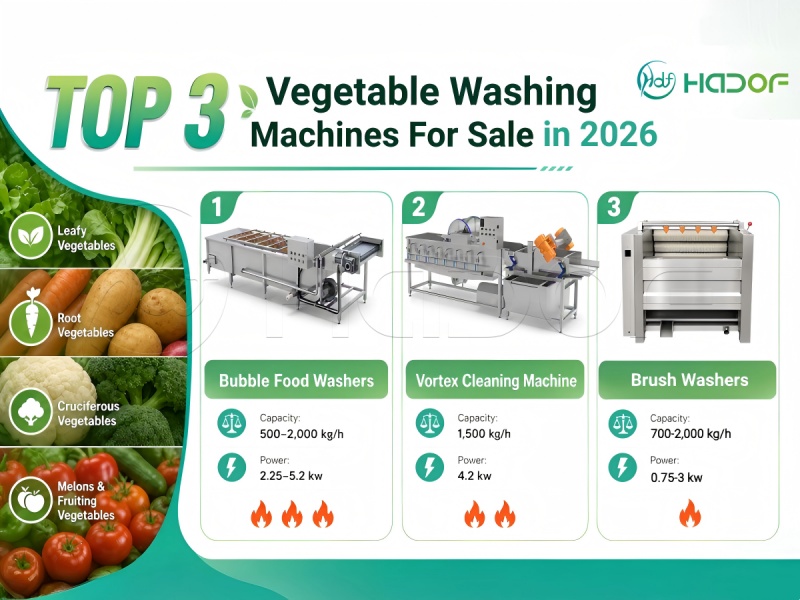
How Can a Commercial Vegetable Washer Machine Price 2026 Reduce Labor in a Small-Scale Plant?

A small salad maker, a fruit processor, or a fresh-cut supplier that still washes produce by hand spends hours on a step a machine can finish steadily. The commercial vegetable washer machine price 2026 covers air bubble, vortex, and brush roller washers, and a small plant picks the one that matches its produce. This article explains how the right washer removes hand washing and lowers the food production cost.

commercial vegetable washer machine price 2026

How Does a Washing Machine Replace Manual Labor?

Manual washing assigns workers to fill tubs, agitate the produce, and lift it out, and the work is slow and inconsistent. The air bubble washer for delicate produce cleans leaves and soft fruit gently while the water carries dirt away, so one machine replaces several hands. A small plant that installs a washer reassigns workers to sorting and packing. This change removes the heaviest food handling work from the line.

How Does the Vortex Washer Clean Cut Vegetables?

The vortex washer creates a rotating water flow that reaches sand and debris on cut pieces, so it suits mixed and irregular produce. The vortex vegetable washing machine for a small line deep-cleans while the product keeps its shape. A small plant that processes cut vegetables uses this machine to reduce rework. This deeper clean protects the food manufacturing quality.

How Does the Brush Washer Handle Roots?

The brush roller washer uses rotating brushes and a water spray to clean and peel roots, so potatoes and carrots leave the washer ready for cutting. A small root line uses this machine to remove soil without hand scrubbing. This step cuts the food preparation time for firm produce. A buyer who picks the brush option completes the washing range.

How Should a Small Plant Match the Machine to the Produce?

A small plant picks one washer for its main product, because a leaf line and a root line need different cleaning force. The air bubble washer protects soft leaves, the vortex washer cleans cut pieces, and the brush washer peels roots. A factory that classifies its produce by delicacy and soil keeps the food equipment footprint small.

How Does the Washer Choice Affect Water and Energy Cost?

The washing method also changes the water and power a small plant uses, so the price should include the operating cost rather than only the machine. A bubble washer uses water circulation and gentle bubbles, while a vortex washer uses a rotating flow, and each consumes water at a different rate. A plant that adds a circulating tank and a sedimentation zone reuses water longer and lowers the replacement frequency. This attention to the food processing system keeps the monthly cost low, and a buyer who records water and energy together makes a more accurate food machinery decision.

How Should a Buyer Verify the Washer?

Vegetable washing affects shelf life and safety, so a buyer checks construction and service. You can review the vegetable washer manufacturer before a purchase, and that review shows the stainless build and support. A trial with the plant’s own produce turns the food machinery decision into a dependable saving. A related vortex vegetable washing machine for a cleaning line completes the same processing line.

Conclusion

A commercial vegetable washer machine in 2026 reduces labor in a small plant by matching the washer type to the produce, from gentle bubble cleaning to root brushing. These choices keep the food production line clean and the team small. If you have interests, you can learn more about https://www.hadofps.com/news/top-3-vegetable-washing-machines-for-sale-in-2026/