Automatic Bulk Blending Fertilizer Plant: How Automation Improves Fertilizer Production

When you plan to build a bulk blending fertilizer project, automation can help you improve production management, formula control, and operating efficiency. Compared with traditional manual operation, an automated system can connect material feeding, weighing, mixing, and packaging processes into a smoother workflow.

For fertilizer manufacturers, the goal is not only higher output but also stable product quality, flexible formula adjustment, and easier production management.

How Can Automation Improve Fertilizer Blending Accuracy?

In a bulk blending fertilizer plant, different granular raw materials need to be measured and mixed according to specific formulas. Accurate proportion control influences the consistency of the final fertilizer product.

An automatic fertilizer blending plant can integrate weighing, batching, and mixing processes to help you manage different fertilizer formulas more efficiently.

With automated control, you can adjust production parameters according to your product requirements and reduce dependence on manual operation during repeated production cycles.

What Equipment Makes an Automatic Blending System Work?

A complete automated blending solution usually includes storage hoppers, weighing systems, conveyors, mixers, control systems, and packaging equipment.

The feeding stage plays an important role because stable material supply affects the whole production process. An automatic fertilizer feeding equipment solution can help transfer raw materials smoothly from storage to the batching and mixing sections.

When planning your project, you can also consider factory layout, raw material types, and future expansion possibilities to create a more suitable production system.
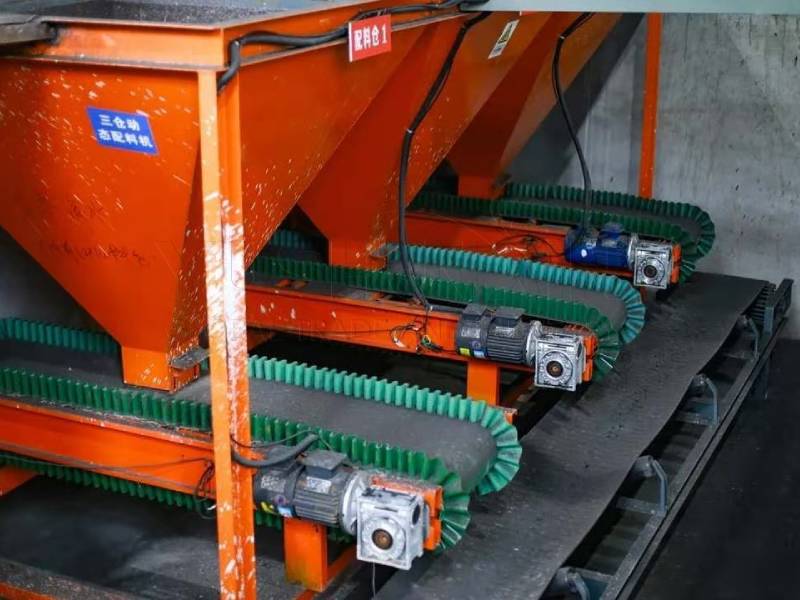
Automatic Batching Bin and Weighing Scale

How Does Production Capacity Influence Your Automation Design?

Different production scales require different equipment configurations. A small blending line may focus on flexible operation, while a large commercial project may require higher automation levels and continuous production capability.

For example, a 50 tph bulk blending fertilizer plant involves higher material handling requirements and more efficient production coordination.

When evaluating your fertilizer blending business investment cost, you can consider not only equipment purchase but also labor requirements, production efficiency, maintenance, and future market development.

How Can Automated Packaging Complete the Production Process?

After blending, fertilizer products need accurate weighing and efficient packaging before transportation and sales.

An automatic fertilizer bagging system can connect with the blending line to improve the final handling process, helping you create a complete production workflow from raw materials to finished fertilizer bags.

Click here for more details to explore complete bulk blending fertilizer solutions.

Build a Smarter Bulk Blending Fertilizer Solution

An automatic bulk blending fertilizer plant combines accurate batching, efficient mixing, and streamlined packaging into one production system. By matching automation levels with your capacity, raw materials, and business goals, you can create a solution that supports long-term fertilizer production.

For more information about bulk blending fertilizer plants and automation solutions, you can visit https://www.shunxin.eu/bulk-blending-fertilizer-plant/

Determining Factors for Cost of A Compound Fertilizer Production Plant

Fertilizer manufacturing stands as a cornerstone in modern agriculture, ensuring efficient crop production and soil health. For those considering investing in a compound fertilizer production plant, understanding the cost determinants becomes crucial. From raw materials to machinery features, each element plays a pivotal role in shaping the overall financial requirement.

What Raw Materials are Ideal for Compound Fertilizer Production?

The selection of raw materials significantly influences the fertilizer plant cost. Compound fertilizers typically incorporate diverse nutrients in one product, aiming to provide a balanced nutrient supply. Suitable materials for compound fertilizer production include nitrogen sources like urea or ammonium nitrate, phosphorus sources such as superphosphate, and potassium sources including potassium chloride. These materials not only serve as primary nutrients but also impact the overall npk fertilizer manufacturing plant cost due to their market prices and availability. Furthermore, supplementary materials like micronutrients and fillers can adjust the nutrient profile, further affecting the npk fertilizer plant setup cost.

double roller granulation plant

How Do Machine Features Impact Fertilizer Manufacturing Plant Cost?

The equipment utilized in a fertilizer production plant significantly determines operational efficiency and cost-effectiveness. Machines such as disc granulators, double roller extrusion granulators, drum granulators are central to the granulation process, where raw materials transform into granules or pellets. Each granulator type offers unique advantages. For instance, disc granulators are known for their ability to produce uniform granules, whereas drum granulators excel in handling large volumes. Besides granulators, the inclusion of a crushing machine, batching machine, rotary drying machine, and screening machine also contributes to the overall npk fertilizer factory cost. These machines need to be robust and efficient to handle the rigorous process of producing compound fertilizers, which can include granulating, drying, and screening. Investing in high-quality machinery ensures lower maintenance costs and enhances production capacity, thereby offering a more favorable return on investment.

zeolite pellets granulating machine

How Does Production Efficiency Affect Fertilizer Plant Setup Cost?

Efficient fertilizer production processes can greatly influence the compound fertilizer plant cost. Streamlined procedures that minimize waste and optimize energy use are vital. For example, the integration of advanced technologies in rotary drying machines can significantly reduce energy consumption during moisture removal, a critical step in the process. Screening machines that efficiently separate granules by size can reduce material wastage, enhancing overall productivity. Additionally, packaging efficiency must not be overlooked, as effective packing machines ensure product safety and reduce transportation losses. Efficient management of these processes results in lower operational costs, thereby positively impacting the overall fertilizer manufacturing plant cost.

Conclusion

In conclusion, understanding the intricate details of raw material selection, machinery features, and production processes is essential for those aiming to invest in a fertilizer production plant. Each factor affects the overall cost, shaping the economic feasibility of the project. As you explore options, consider engaging with a professional fertilizer equipment manufacturer like Yushunxin, which can provide tailored solutions that align with your production goals and financial plans. Careful consideration of these elements ensures a well-planned investment in the rapidly growing fertilizer industry. You can visit: https://www.fertilizerproductequipment.com/npk-fetilizer-plant-cost/