When you plan to build a bulk blending fertilizer project, automation can help you improve production management, formula control, and operating efficiency. Compared with traditional manual operation, an automated system can connect material feeding, weighing, mixing, and packaging processes into a smoother workflow.
For fertilizer manufacturers, the goal is not only higher output but also stable product quality, flexible formula adjustment, and easier production management.
How Can Automation Improve Fertilizer Blending Accuracy?
In a bulk blending fertilizer plant, different granular raw materials need to be measured and mixed according to specific formulas. Accurate proportion control influences the consistency of the final fertilizer product.
An automatic fertilizer blending plant can integrate weighing, batching, and mixing processes to help you manage different fertilizer formulas more efficiently.
With automated control, you can adjust production parameters according to your product requirements and reduce dependence on manual operation during repeated production cycles.
What Equipment Makes an Automatic Blending System Work?
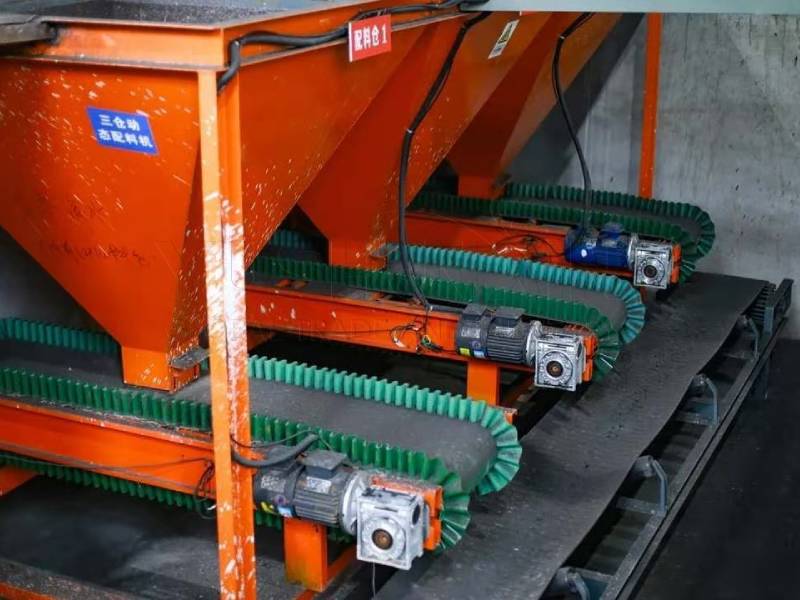
A complete automated blending solution usually includes storage hoppers, weighing systems, conveyors, mixers, control systems, and packaging equipment.
The feeding stage plays an important role because stable material supply affects the whole production process. An automatic fertilizer feeding equipment solution can help transfer raw materials smoothly from storage to the batching and mixing sections.
When planning your project, you can also consider factory layout, raw material types, and future expansion possibilities to create a more suitable production system.
How Does Production Capacity Influence Your Automation Design?
Different production scales require different equipment configurations. A small blending line may focus on flexible operation, while a large commercial project may require higher automation levels and continuous production capability.
For example, a 50 tph bulk blending fertilizer plant involves higher material handling requirements and more efficient production coordination.
When evaluating your fertilizer blending business investment cost, you can consider not only equipment purchase but also labor requirements, production efficiency, maintenance, and future market development.
How Can Automated Packaging Complete the Production Process?
After blending, fertilizer products need accurate weighing and efficient packaging before transportation and sales.
An automatic fertilizer bagging system can connect with the blending line to improve the final handling process, helping you create a complete production workflow from raw materials to finished fertilizer bags.
Click here for more details to explore complete bulk blending fertilizer solutions.
Build a Smarter Bulk Blending Fertilizer Solution
An automatic bulk blending fertilizer plant combines accurate batching, efficient mixing, and streamlined packaging into one production system. By matching automation levels with your capacity, raw materials, and business goals, you can create a solution that supports long-term fertilizer production.
For more information about bulk blending fertilizer plants and automation solutions, you can visit https://www.shunxin.eu/bulk-blending-fertilizer-plant/