Plant owners and project investors often evaluate rotary granulator before they plan a fertilizer processing plant. phosphate rock, limestone, dolomite, potassium feldspar move through ball mill, pan granulator, rotary dryer in a complete fertilizer granulation line. When you select this equipment, you review capacity, material condition, and plant layout. This evaluation helps you control investment and keep production stable.
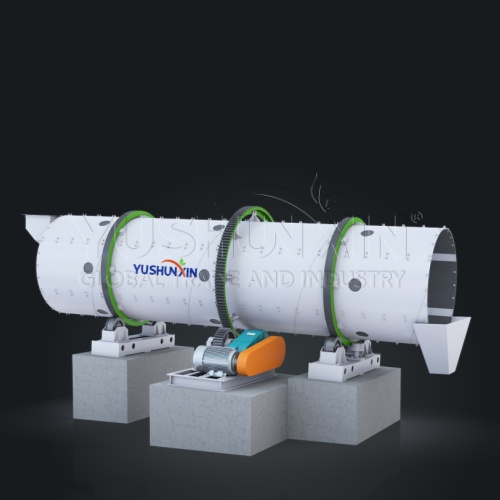
rotary granulator
How does a rotary granulator system support phosphate rock processing?
A rotary granulator system supports phosphate rock processing by connecting the main machine with feeding, mixing, and screening. You can prepare phosphate rock, limestone, dolomite, potassium feldspar before the machine starts. A ball mill and a pan granulator help control material flow, while a rotary dryer protects product quality. This layout keeps the fertilizer processing plant stable and reduces manual transfer. You can also compare this process with standard fertilizer manufacturing system principles when you design the line. This preparation improves the fertilizer equipment and keeps the fertilizer machinery balanced. This setup also simplifies maintenance and reduces unexpected stops.
Why does a rotary granulator line suit continuous fertilizer production?
A rotary granulator line suits continuous fertilizer production because it handles phosphate rock, limestone, dolomite, potassium feldspar in a steady flow. You can arrange the equipment so the material moves from intake to packing without long stops. The ball mill feeds the next stage at a stable rate, and the pan granulator forms the product into a uniform shape. This coordination reduces bottlenecks and keeps the fertilizer granulation line efficient. You can also add a rotary dryer to return off-size material for rework, which lowers waste and improves product consistency. The steady output supports daily packing and dispatch targets.
Which mineral fertilizer granulation technology factors should you review before selection?
mineral fertilizer granulation technology helps you choose the right equipment for phosphate rock, limestone, dolomite, potassium feldspar. You can review moisture, particle size, capacity, and plant space before you order. A clear process flow reduces transfer points and protects the fertilizer machinery. This comparison also helps you balance fertilizer equipment with long-term operating cost. You can then match the selected machine to the fertilizer manufacturing system and keep the fertilizer processing plant running smoothly. This review helps you avoid buying oversized or undersized fertilizer machinery.
How can producers compare mineral fertilizer standards for this fertilizer manufacturing process?
You can compare the general process described under mineral fertilizer when you set the product standard and material specification. This reference helps you understand why moisture and particle size matter for phosphate rock, limestone, dolomite, potassium feldspar. You can also adjust the ball mill and the pan granulator according to the target output. This control supports the fertilizer granulation line and keeps the fertilizer processing plant consistent during peak production. This preparation also supports repeat product quality across production batches.
To summarize, which rotary granulator is best for commercial fertilizer production depends on material condition, equipment scope, and production capacity. You can match each machine to the required output and product form. A reliable mineral fertilizer equipment manufacturer can supply the complete fertilizer manufacturing system. Yushunxin provides this fertilizer production equipment. If you have interests, you can learn more about https://www.mineralfertilizerproductionsolutions.com/product/rotary-drum-fertilizer-granulator