Reviewing Raw Material Substitutions Before Ordering an NPK Fertilizer Production Line

A different raw material supplier can change your equipment requirements even when you keep the same target fertilizer grade. Begin your NPK fertilizer production line raw material substitution review before you approve the purchase specification. Compare the current ingredient with the proposed replacement, and identify which assumptions need new evidence.

Compare the material documents

Your NPK fertilizer plant supplier material checks can start with the ingredient identity, nutrient analysis, moisture, and declared impurities. Request recent batch documents and the applicable safety data sheet. Ask your formulation specialist to check the revised nutrient balance and chemical compatibility. A matching headline nutrient percentage alone does not establish that two ingredients are interchangeable.

Look beyond the chemical analysis

Use your NPK fertilizer equipment feed property review to compare particle size, bulk density, moisture behaviour, and flow observations. Record the measurement method and sample condition alongside each result. Ask how differences could affect hopper discharge, feeder settings, conveying, and mixing. Avoid relying on a generic material name when selecting equipment.

NPK fertilizer manufacturing equipment for sale

Review the preparation steps

Discuss NPK production system feed preparation requirements with the equipment supplier using samples from the proposed source. Identify whether the material needs crushing, screening, or moisture adjustment before it reaches the process. For a granulated product, review the fertilizer granulation plant process options against the revised feed properties. Confirm which preparation machines and connecting equipment the quotation includes.

Agree how to evaluate the substitute

Build your NPK manufacturing line alternative ingredient assessment around a documented comparison. Ask the supplier to define the trial mixture, sample quantity, operating conditions, and observations needed for your selected route. Compare handling behaviour and finished product checks with the original material. Record any changes to binder, water, steam, or drying conditions as trial findings, rather than assuming the previous settings will transfer unchanged.

Put the decision into the order

Keep a list of approved material sources, agreed property ranges, and unresolved checks with your purchasing documents. Ask the supplier to identify which equipment selections depend on those inputs. If the replacement remains untested, record that limitation and agree who will confirm suitability before the affected equipment specification is finalized.

Share your current and proposed ingredient data, intended formula, process route, and product requirements. Click here for more details and use the discussion to define the evidence needed for your purchasing decision.
https://www.shunxin.eu/npk-fertilizer-production-line/

How Do You Evaluate 30 T/H Roller Press Granulation Production Line for a Commercial Fertilizer Plant?

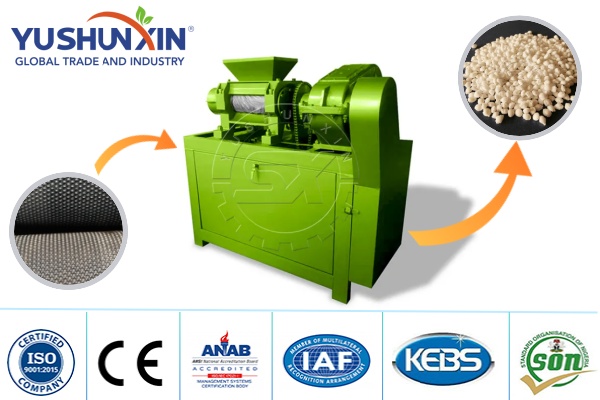
Plant owners and project investors often evaluate 30 t/h roller press granulation production line cost before they plan a fertilizer processing plant. chicken manure, crop straw, humic acid, sewage sludge move through double-roll extruder, crusher, rotary dryer in a complete fertilizer extrusion line. When you select this equipment, you review capacity, material condition, and plant layout. This evaluation helps you control investment and keep production stable.

30 t/h roller press granulation production line cost

30 t/h roller press granulation production line cost

How does a 30 t/h roller press granulation production line cost system support chicken manure processing?

A 30 t/h roller press granulation production line cost system supports chicken manure processing by connecting the main machine with feeding, mixing, and screening. You can prepare chicken manure, crop straw, humic acid, sewage sludge before the machine starts. A double-roll extruder and a crusher help control material flow, while a rotary dryer protects product quality. This layout keeps the fertilizer processing plant stable and reduces manual transfer. You can also compare this process with standard fertilizer manufacturing system principles when you design the line. This preparation improves the fertilizer machinery and keeps the fertilizer equipment balanced. This setup also simplifies maintenance and reduces unexpected stops.

Why does a 30 t/h roller press granulation production line cost machine suit continuous fertilizer production?

A 30 t/h roller press granulation production line cost machine suits continuous fertilizer production because it handles chicken manure, crop straw, humic acid, sewage sludge in a steady flow. You can arrange the equipment so the material moves from intake to packing without long stops. The double-roll extruder feeds the next stage at a stable rate, and the crusher forms the product into a uniform shape. This coordination reduces bottlenecks and keeps the fertilizer extrusion line efficient. You can also add a rotary dryer to return off-size material for rework, which lowers waste and improves product consistency. The steady output supports daily packing and dispatch targets.

Which organic fertilizer extrusion technology factors should you review before selection?

organic fertilizer extrusion technology helps you choose the right equipment for chicken manure, crop straw, humic acid, sewage sludge. You can review moisture, particle size, capacity, and plant space before you order. A clear process flow reduces transfer points and protects the fertilizer equipment. This comparison also helps you balance fertilizer machinery with long-term operating cost. You can then match the selected machine to the fertilizer manufacturing system and keep the fertilizer processing plant running smoothly. This review helps you avoid buying oversized or undersized fertilizer machinery.

How can producers compare organic fertilizer standards for this fertilizer manufacturing process?

You can compare the general process described under organic fertilizer when you set the product standard and material specification. This reference helps you understand why moisture and particle size matter for chicken manure, crop straw, humic acid, sewage sludge. You can also adjust the double-roll extruder and the crusher according to the target output. This control supports the fertilizer extrusion line and keeps the fertilizer processing plant consistent during peak production. This preparation also supports repeat product quality across production batches.

To summarize, how do you evaluate 30 t/h roller press granulation production line for a commercial fertilizer plant depends on material condition, equipment scope, and production capacity. You can match each machine to the required output and product form. A reliable fertilizer machinery manufacturer can supply the complete fertilizer manufacturing system. Yushunxin provides this fertilizer production equipment. If you have interests, you can learn more about https://www.extruder-granulator.com/30-t-h-roller-press-granulation-production-line