Selecting the right granulation technology for biofertilizer production is a critical step for fertilizer manufacturers aiming to improve product quality, reduce production costs, and meet different market demands. Since bio-organic fertilizers are made from diverse raw materials such as livestock manure, compost, digestate, and agricultural waste, no single granulation method fits all applications.
Understanding how different biofertilizer granulation methods work helps producers design a more stable and efficient production line.
Why Granulation Matters in Biofertilizer Manufacturing
Granulation converts powdery organic materials into uniform pellets, improving handling, storage, transportation, and field application. Compared with powder fertilizer, granular biofertilizer offers better flowability, reduced dust, and higher commercial value. However, the success of pellet formation depends heavily on the chosen granulator type, raw material properties, and moisture control.
Common Granulation Technologies for Biofertilizer
Wet granulation technology is widely used in biofertilizer pellet production. It relies on proper moisture content and bonding forces to form granules. Common wet granulation equipment includes:
-
Disc granulators (pan granulators)
-
Drum granulators
These machines are suitable for fermented organic materials with moderate moisture levels and are often used in medium to large-scale biofertilizer plants.
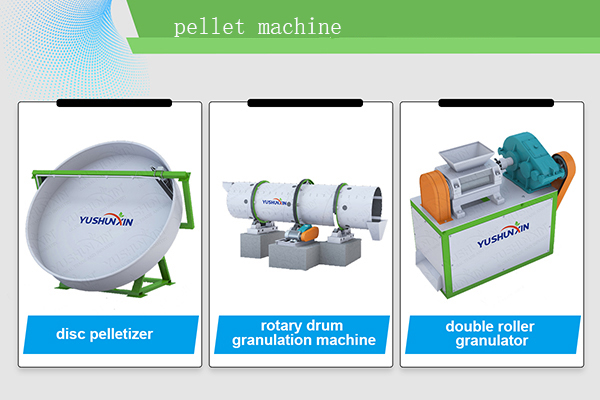
Dry granulation technology, such as roller compactor granulation, does not require additional water or drying processes. This method is ideal for heat-sensitive materials or when moisture control is difficult. Dry granulation is increasingly popular in compound fertilizer and organic-inorganic blended fertilizer production.
Extrusion granulation, including flat die and ring die systems, is commonly applied to high-fiber organic materials. It produces dense pellets with high strength, making it suitable for markets requiring durable biofertilizer pellets.
Key Factors When Choosing a Granulation Method
When selecting a biofertilizer granulation solution, manufacturers should consider:
-
Raw material type (manure, compost, digestate, organic residues)
-
Moisture content and particle size distribution
-
Desired granule size and hardness
-
Production capacity requirements
-
Energy consumption and operating cost
For example, fermented livestock manure with stable moisture is well suited for disc or drum granulation, while dry powdered materials may benefit more from roller press granulation.
Matching Granulation Technology with Production Goals
Small-scale producers often prioritize low investment and simple operation, while industrial fertilizer plants focus on automation, output stability, and product consistency. Choosing the right granulation equipment helps avoid excessive reprocessing, reduces downtime, and improves overall fertilizer quality. Welcome to consult YUSHUNXIN to get your own granulation method!
Final Thoughts
There is no “best” granulation technology—only the most suitable granulation method for your biofertilizer production line. A well-matched granulation system not only improves pellet quality but also lays the foundation for long-term operational efficiency and market competitiveness. If you want to know more, welcome to visit: https://www.biofertilizerproduction.com/product/bio-fertilizer-granulation-project-for-sale/