Key Factors in Moisture and Temperature Control for Efficient Biofertilizer Composting

In organic biofertilizer composting, managing moisture and temperature is often the deciding factor between a stable, nutrient-rich product and an incomplete, foul-smelling pile. Because composting is an aerobic biological process, microorganisms require the right environmental conditions to perform efficiently. Understanding how to maintain optimal moisture and temperature levels—and what tools help achieve this—can significantly improve compost maturity and uniformity.


1. Why Moisture Balance Matters in Organic Composting

Moisture levels directly influence microbial activity. Most organic waste mixtures, such as animal manure, crop residues, and food scraps, perform best at 50–60% moisture content. When the pile is too dry, decomposition slows down and organic matter remains unprocessed. When it is too wet, oxygen becomes limited, creating anaerobic pockets and unpleasant odors.

To stabilize moisture, compost facilities often rely on:

  • Compost mixers or blenders, which help incorporate dry bulking agents (like straw or sawdust).

  • Solid–liquid separators, to reduce excess water in manure or slurry before composting.

  • Spray systems or water dosing pumps, used when the pile needs rehydration during turning.

These tools help maintain an ideal moisture environment for producing high-quality biofertilizer.


2. Temperature Control: A Core Indicator of Compost Health

Temperature is a natural product of microbial metabolism. A well-managed pile will quickly enter the thermophilic stage (55–65°C), destroying pathogens and weed seeds. Without proper airflow or structure, however, the pile may overheat or fail to reach sanitizing temperatures.

Effective temperature regulation often involves:

  • Aeration systems that inject oxygen into static piles.

  • Compost thermometers or digital sensors for continuous monitoring.

  • Mechanized compost turners, which release excess heat and introduce fresh oxygen.

Maintaining controlled heat ensures a faster composting cycle and more uniform decomposition, essential for commercial bio organic fertilizer production.


3. Compost Turning Equipment for Stable Moisture and Heat

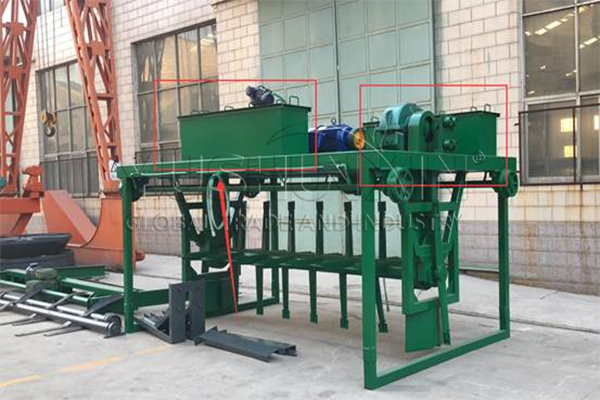
Although many composting setups start with manual operations, larger or more consistent production benefits from dedicated compost turning equipment. Machines such as windrow turners, groove/ trench turners, and crawler-type compost machines adjust moisture, oxygen, and temperature simultaneously by lifting, fluffing, and homogenizing the pile.

These machines help prevent clumping, accelerate fermentation, and improve moisture distribution—especially when handling raw materials with variable water content like poultry manure, livestock waste, or green waste.  Welcome to consult YUSHUNXIN!

Biofertilizer composting machine

4. Integrated Monitoring and Control for Modern Composting Lines

More advanced facilities now incorporate automatic monitoring systems, which track moisture, temperature, and oxygen levels in real time. Controls can trigger aeration fans, activate water spray lines, or signal when turning is required. Such systems increase composting efficiency while reducing labor and error rates. Click here to get more! 


Proper moisture and temperature management is the foundation of stable bio-organic fertilizer composting. And when combined with suitable equipment—turners, separators, mixers, and monitoring systems—producers can ensure consistent, high-value compost that meets agricultural demand. If you need the suitable equipment for making high-quality compost, welcome to visit: https://www.biofertilizerproduction.com/product/how-to-compost-biofertilizer/

What Machinery Is Essential for Pelletizing Powdery Chicken Manure?

The processing of powdery chicken manure into carbon-based fertilizer pellets represents an essential step in sustainable waste management. As poultry farms generate large volumes of bird dung and chicken droppings, the transformation from powder manure to stable granules ensures higher nutrient efficiency and safer storage. Many fertilizer production plants integrate advanced pelletizing machinery to convert loose carbon-rich powder into uniform particles. In such a production procedure, the combination of crushing, mixing, granulating, and carbonization equipment guarantees product stability and economic value.

The pelletizing process not only stabilizes organic matter but also optimizes the nutrient availability of chicken manure carbon fertilizer. Through controlled granulation, the powdery materials acquire uniform particle size and better physical strength. Therefore, any fertilizer manufacturer focusing on carbon-based fertilizer production needs specialized machines to achieve efficient granule formation, moisture control, and nutrient preservation.

Raw Material Selection for Carbon-Based Fertilizer Production from Chicken Manure

Chicken manure serves as the primary organic material for producing carbon-based fertilizers. However, farms often mix other carbon-rich residues to improve granule quality. Suitable raw materials include poultry dung, bird manure powder, rice husk, coconut shell powder, straw powder, and sawdust powder. These carbon materials can improve both the porosity and carbon content of the final fertilizer pellets.

During the preparation process, the manure undergoes uniform composting to reduce moisture and pathogens. The compost machine plays a crucial role in this phase, ensuring complete fermentation and odor reduction. The addition of biochar, peat, and crop residues enhances the carbon-based feature of the fertilizer, which increases soil fertility and water retention when applied. The correct balance between nitrogen-rich chicken manure and carbon-rich biomass leads to high-quality powder suitable for granulation. As a result, the selection and pretreatment of raw materials directly determine the performance of the pelletizing procedure.

Chicken manure fertilizer production

Core Machinery in the Powdery Chicken Manure Pelletizing Process

The carbon-based fertilizer manufacturing line usually consists of several coordinated machines. The crushing machine, also called a carbon fertilizer grinder machine, reduces large dried manure lumps into fine powder. This step guarantees even feeding and uniform granule formation. The mixing equipment then blends the powdered chicken manure with auxiliary carbon materials to maintain consistent composition.

The most critical stage involves the granulator or pelletizer, which determines the efficiency of powder-to-pellet transformation. Several types of granulating machines exist, such as the disc granulator, flat die pelletizer, double roller extrusion granulator, drum granulator, and new type organic fertilizer granulator. Each granulator shapes the powdery materials into regular spherical or cylindrical granules under controlled moisture and temperature conditions. The drying machine then removes excess water, while the carbonization furnace converts part of the organic matter into stable carbon-based compounds. Finally, the packing machine completes the production procedure by sealing the finished pellets for storage and transportation.

The harmonious operation of these machines ensures a continuous and clean carbon-based fertilizer production line. Every piece of equipment plays a unique role, from powder preparation to pellet forming, improving the physical strength and nutrient stability of the final product.

granulator machine

Summary

A standardized production system for carbon-based fertilizer depends on the rational selection and combination of machinery. The entire process converts raw chicken dung powder into durable, nutrient-rich pellets through crushing, mixing, granulating, drying, carbonizing, and packing steps. Each step enhances the quality of the final carbon fertilizer granules and reduces material losses.

In conclusion, producers who plan to invest in powdery chicken manure pelletizing technology should focus on equipment reliability, energy efficiency, and granule uniformity. Professional guidance and integrated solutions ensure smooth operation and consistent product quality. A professional fertilizer equipment manufacturer—Yushunxin—provides comprehensive carbon-based fertilizer production machinery, including high-performance compost machines, efficient granulators, advanced carbonization furnaces, and intelligent packing systems. Through precise design and reliable manufacturing, such equipment enables clients to achieve efficient chicken manure pellet production and long-term economic sustainability. You can visit: https://www.charbasedfertilizermachine.com/product/chicken-dung-and-biochar-as-fertilizer/

Высокоэффективная дисковая грануляционная машина – идеальный выбор для повышения эффективности производства удобрений

В современной сельскохозяйственной и химической промышленности эффективность и качество производства удобрений напрямую влияют на рост урожая и экономическую прибыль предприятий. Как одно из ключевых устройств в линии по производству удобрений, дисковая грануляционная машина благодаря своей простой конструкции, удобству в эксплуатации, равномерности гранулирования и другим выдающимся преимуществам широко применяется в производстве комплексных, органических и химических удобрений. Сегодня мы подробно расскажем о принципе работы дисковой грануляционной машины, ее основных преимуществах и рекомендациях по выбору, чтобы помочь вам сделать правильный выбор среди множества оборудования.

disc bio fertilizer granulator

1. Принцип работы дисковой грануляционной машины

Дисковая грануляционная машина состоит из вращающегося диска, рамы, редуктора, скребка, системы орошения и других частей. Во время работы материал поступает через загрузочное отверстие на вращающийся диск, под действием вращения он постоянно перекатывается, склеивается и формирует однородные сферические гранулы. Система орошения позволяет добавлять необходимое количество жидкости, чтобы поддерживать оптимальную влажность материала и повысить процент удачного гранулирования. Готовые гранулы автоматически выводятся через выпускное отверстие для дальнейшей обработки.

2. Основные преимущества дисковой грануляционной машины

1. Равномерность гранул и высокая выходная доля готового продукта
Конструкция дисковой грануляционной машины рациональна, угол наклона и скорость вращения диска регулируются, что позволяет эффективно контролировать размер и однородность гранул. Готовые гранулы имеют правильную форму, а коэффициент просева составляет более 90%.

2. Простота эксплуатации и обслуживания
Оборудование легко в эксплуатации и быстро осваивается персоналом. Все компоненты изготовлены из высококачественных износостойких материалов, что обеспечивает долгий срок службы и низкие затраты на обслуживание.

3. Широкий диапазон применения
Машина подходит для гранулирования органических, комплексных, биологических удобрений, а также используется в металлургии, строительстве, фармацевтике и других отраслях для гранулирования порошковых материалов.

4. Энергоэффективность и экологичность
Процесс гранулирования полностью изолирован, уровень пыли и шума минимален, что улучшает условия труда и соответствует современным экологическим требованиям.

Different Scales of Mineral Fertilizer Pan Granulator

3. Рекомендации по выбору дисковой грануляционной машины

1. Выбирайте оборудование подходящей производительности исходя из реальных потребностей производства.
2. Предпочтение следует отдавать известным брендам или проверенным производителям для гарантии качества и сервисного обслуживания.
3. Обращайте внимание на материал и износостойкость оборудования, а также комплектацию запасных частей для увеличения срока службы.
4. Проконсультируйтесь с профессионалами и получите индивидуальное решение, соответствующее вашим технологическим требованиям.

Дисковая грануляционная машина благодаря своей высокой эффективности и стабильной работе стала незаменимым оборудованием в промышленности производства удобрений. Если вы ищете экономичную, надежную и эффективную машину для гранулирования – дисковая грануляционная машина станет оптимальным выбором. Для получения консультации, коммерческого предложения или технической поддержки – оставьте заявку, и наши специалисты свяжутся с вами! Более подробную информацию можно найти на сайте:https://www.sxmashina.com/tarelchatyy-granulyator-protsess/

Enhancing Granule Strength in Roller Press Granulation

In fertilizer manufacturing, granule hardness and uniformity directly affect the product’s storage stability, transport resistance, and application efficiency. When using a roller press granulator—also known as a dry granulation compactor or double roller extrusion granulator—controlling granule strength becomes a key technical goal.


1. Optimize Raw Material Moisture and Fineness

One of the primary factors influencing granule strength is the moisture content of the powder material. In general, raw materials with 1–3% moisture perform best during compaction. Too much water can cause sticking on the rollers, while too little leads to weak bonding between particles.

Additionally, the particle size distribution should be well-balanced. A combination of fine and slightly coarse powder helps fill internal voids during extrusion, forming denser and stronger granules.

роликовый гранулятор

2. Adjust Roller Pressure and Gap Settings

The roller pressure directly determines the compacting force applied to the materials. Higher pressure usually results in higher granule strength, but excessive force can damage the surface structure or wear the rollers prematurely.

Operators should also monitor the roller gap—the distance between the two pressing rollers. A smaller gap increases density, while a slightly wider gap can prevent over-compression and cracking. Most production lines rely on pressure sensors or hydraulic systems for precise adjustment.


3. Improve Binder Formulation

For materials with poor cohesiveness, adding a binder or auxiliary agent can greatly enhance granule integrity. Common binders include lignin sulfonate, molasses, starch, or bentonite. These additives promote better adhesion among particles without significantly changing the nutrient content of the fertilizer.


4. Maintain Consistent Feeding and Rolling Speed

Uneven feeding leads to irregular granule density. Using a screw feeder or automatic dosing system ensures uniform material supply to the rollers. Likewise, controlling the roller rotation speed prevents excessive vibration and improves compression stability.


5. Use Reliable Post-Treatment Equipment

After compaction, the flakes are crushed and screened. At this stage, over-crushing may reduce granule size and weaken strength. Incorporating a precision crusher, automatic sieving system, and gentle polishing drum helps retain granule quality while achieving uniform size distribution. Learn more! 


Final Thoughts

Enhancing the strength of granules in a roller compactor granulation process depends on the balance between raw material characteristics, mechanical force, and binder formulation. A well-calibrated system can reduce dust generation, improve fertilizer appearance, and lower production costs in the long run. If you want to invest the machine, you can visit: https://www.biofertilizerproduction.com/product/roller-compactor-granulator-for-bio-fertilizer-manufacturing/

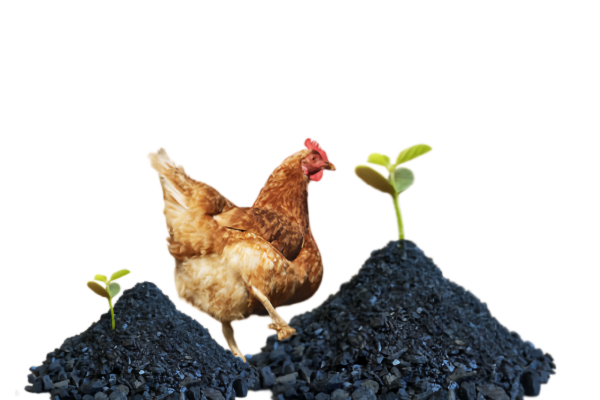
Latest Technological Developments in Granulation for Carbonized Fertilizers Made from Chicken Manure

In recent years, the demand for carbon-based fertilizer production from chicken manure has increased rapidly as more producers aim to transform agricultural waste into high-value, eco-friendly products. The carbonization and granulation process plays a decisive role in turning chicken dung or bird manure into stable, nutrient-rich carbon-based fertilizer granules. Modern fertilizer production lines now integrate smart granulation machinery, automatic control systems, and energy-saving designs to enhance efficiency and product quality. Understanding the raw materials, production procedures, and advanced granulation technologies helps enterprises achieve consistent performance and sustainable fertilizer manufacturing.


What Raw Materials Support Carbon-Based Fertilizer Production from Chicken Manure?

Enterprises usually prepare multiple raw materials for carbon-based fertilizer production from chicken manure. Chicken manure provides organic matter and nitrogen, while other materials such as rice husk, sawdust, straw powder, biochar, peat, and powdered crop residues offer carbon sources and improve texture. During the preparation process, the moisture content and carbon–nitrogen ratio must remain stable to ensure successful composting and carbonization. Some producers also blend small portions of micro-minerals, humic powder, or wood chip residues to optimize the granule structure and nutrient balance. When treated through a controlled carbonization furnace, these raw materials convert into fine carbonized powder suitable for later granulation. The combination of chicken waste and carbon-rich materials effectively enhances fertilizer value and reduces odor emissions, forming a solid foundation for high-quality granule production.


How Do Modern Machines Improve the Chicken Manure Processing Procedure?

The chicken manure processing procedure involves several critical stages: composting, crushing, carbonization, granulating, drying, and packing. Each stage requires specialized fertilizer manufacturing equipment to maintain uniformity and reduce energy loss. For example, a compost machine accelerates the fermentation process and ensures the chicken dung decomposes thoroughly. After carbonization in a furnace, the resulting carbonized powder enters a crushing machine or carbon fertilizer grinder machine for fine size adjustment. The powdered material then moves to a granulator. Current granulation technologies include disc granulators, double roller extrusion granulators, drum granulators, flat die granulators, and new type organic fertilizer granulators. Each granulator type supports different particle sizes, moisture contents, and production capacities. Modern granulators feature automatic feeding systems, variable-speed control, and anti-corrosion materials to improve durability and pellet shape. The pelletizer or ball-making machine ensures that the powdery chicken manure-based materials transform into compact granules or pellets with uniform density. Finally, a drying machine and packing machine complete the final steps, stabilizing the carbon-based fertilizer for storage and transportation.

granulator machine


What Are the Latest Trends in Carbon-Based Fertilizer Granulation Technology?

Recent innovations in granulation technology focus on improving automation, energy efficiency, and environmental performance. Many fertilizer production lines now apply intelligent control systems to monitor temperature, humidity, and granule size in real time. Advanced pellet making machines use improved mixing blades and stirring mechanisms to prevent material adhesion and ensure even granulation. The integration of carbonization equipment with granulating machinery also shortens the production cycle. In addition, rotary drum granulators and double roller extrusion granulators allow the operator to handle raw materials with different moisture levels, reducing waste. Some manufacturers develop modular production lines that combine composting, carbonization, and granulation units to achieve continuous operation. The trend toward low-dust and low-noise fertilizer manufacturing strengthens environmental protection and worker safety standards. As technology evolves, carbon-based fertilizer producers gain more flexibility to adjust their production parameters and deliver consistent, high-grade carbon fertilizer granules suitable for various soil applications.


Conclusion

The development of new carbon-based fertilizer granulation technology enables enterprises to transform chicken manure and bird dung into valuable, environmentally responsible products. Through proper raw material selection, optimized carbonization and granulating procedures, and efficient use of machines such as carbonization furnaces, crushing machines, and granulators, producers can achieve reliable production performance. The combination of automation, precision control, and integrated equipment design will continue to drive the fertilizer manufacturing industry forward. A professional fertilizer equipment manufacturer—Yushunxin—provides complete solutions for carbon-based fertilizer production from chicken manure, supporting customers in achieving efficient, sustainable, and profitable operations. You can visit: https://www.charbasedfertilizermachine.com/product/chicken-dung-and-biochar-as-fertilizer/

Как выбрать оборудование для производства органических удобрений из помета 500 000 кур?

С развитием промышленного птицеводства проблема утилизации и эффективного использования куриного помета становится все более актуальной. На пример, на птицефабрике с 500 000 кур ежедневно образуется около 75-100 тонн помета, а за год – до 25-30 тысяч тонн. Грамотная переработка этих органических отходов не только решает экологические задачи, но и приносит значительную экономическую выгоду. Оборудование для производства органических удобрений является ключевым элементом безотходной и экологичной переработки куриного помета. Какое оборудование выбрать для такой масштабной переработки? Давайте разберёмся подробнее.

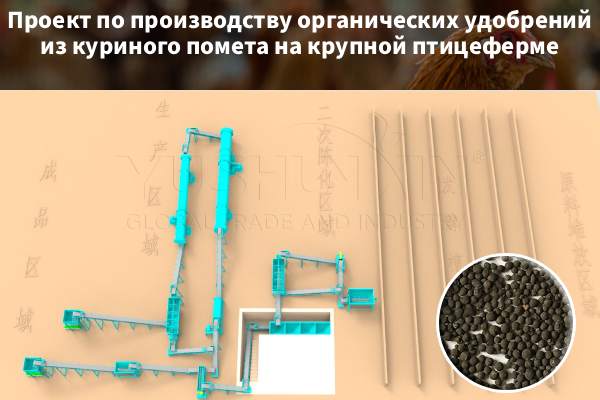
Проект-производство-органических-удобрений

1. Проблемы и ценность переработки помета 500 000 кур

Куриный помет богат азотом, фосфором, калием и прочими питательными веществами и является отличным сырьем для органических удобрений. Однако свежий помет содержит много влаги, вредных микроорганизмов и имеет неприятный запах, что делает невозможным его прямое внесение в почву. Перед использованием помет должен пройти процессы ферментации и компостирования для превращения в безопасный и эффективный продукт.

2. Этапы переработки куриного помета в органическое удобрение

• Сбор и подготовка сырья
Куриный помет смешивают с дополнительными материалами (солома, опилки и т.д.) для регулирования влажности до 60%, при необходимости добавляют бактериальные закваски.

• Ферментация компоста
Для крупных птицефабрик рекомендуется использовать канальные компостеры или самоходные компостные машины для эффективного аэробного брожения (15-20 дней).

• Грубая просеивка и измельчение
После ферментации материал просеивают и измельчают до однородной массы.

• Смешивание и гранулирование
Добавляют минеральные компоненты и микроэлементы, затем используют грануляторы (дисковый, барабанный или современные грануляторы для органики).

• Сушка и охлаждение
Гранулы сушат в барабанной сушилке, затем охлаждают и просеивают до нужной фракции.

• Покрытие и упаковка
Для улучшения внешнего вида и хранения гранулы покрывают оболочкой и фасуют в упаковку.

3. Рекомендации по комплектации оборудования

Для переработки помета 500 000 кур оптимальная линия может включать:

– 1-3 канальных компостера
– 1-2 дробилки
– автоматическую линию дозирования
– смеситель
– 2-3 гранулятора
– сушильную установку
– охладитель
– вибросито
– оборудование для покрытия гранул (опционально)
– 1-2 упаковочных автомата
– транспортеры и вспомогательное оборудование

4. На что обратить внимание при выборе оборудования

• Производительность — оборудование должно справляться с большими объемами и работать в непрерывном режиме
• Качество материалов — детали должны быть устойчивы к коррозии и истиранию
• Автоматизация и энергосбережение — современные системы управления снижают трудозатраты и повышают безопасность
• Экологичность — комплектация системой очистки воздуха и контроля запахов

5. Инвестиции и эффективность

Линия производительностью 80–100 тонн в сутки требует вложений порядка 2–3 млн юаней (точная сумма зависит от конфигурации и уровня автоматизации). Готовое органическое удобрение востребовано на рынке и может принести предприятиям дополнительную прибыль, а также повысить экологическую репутацию.

Для птицефабрик такого масштаба выбор современной линии переработки куриного помета — необходимое условие экологичного и прибыльного бизнеса. Грамотная комплектация и организация технологического процесса позволит эффективно решать проблему отходов и создавать дополнительную ценность. Если вам нужна консультация или расчёт стоимости оборудования, свяжитесь с нами для получения профессиональной поддержки! Более подробную информацию можно найти на сайте:https://www.liniyaudobreniy.com/proekt-po-proizvodstvu-organicheskikh-udobreniy-iz-kurinogo-pometa-na-krupnoy-ptitseferme-500-000-kur/

Exploring Practical Techniques for Making High-Quality Biocompost

The process of bio-compost production plays a central role in converting organic waste into valuable soil amendments. Whether the raw materials come from livestock manure, crop residues, or food waste, the right bio composting process determines both nutrient availability and environmental impact.
Below are several practical methods widely used in biocompost preparation, along with the equipment that supports efficient operation.

1. Traditional Windrow Composting for Open-Air Treatment

Windrow composting remains one of the most accessible biocompost making methods for large farms or municipal projects. Organic waste is piled into long, narrow rows that are regularly turned to maintain aeration.
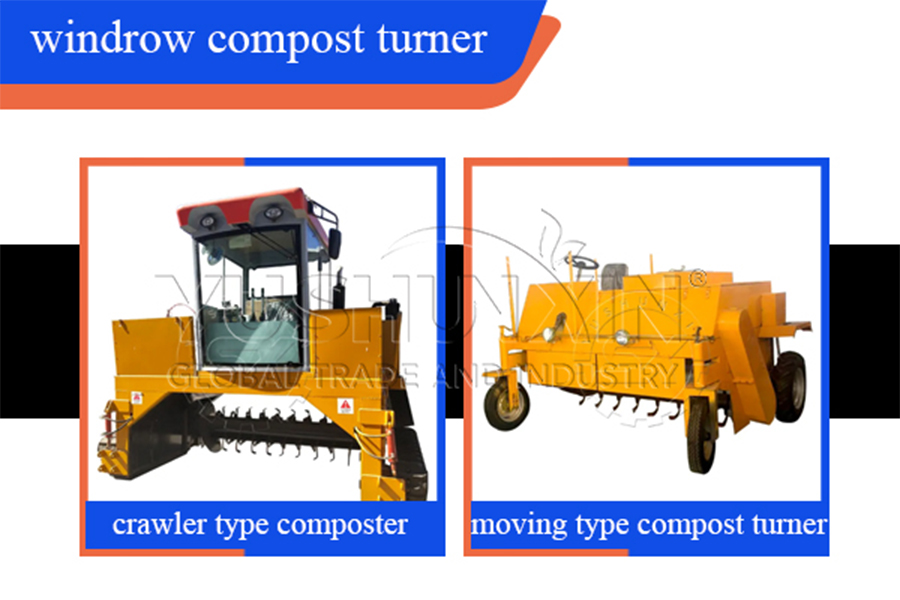
A self-propelled compost turner or crawler-type turning machine is typically used to mix and oxygenate the pile, promoting microbial breakdown.
This technique is suitable for areas with sufficient land and good weather conditions, as temperature and moisture must be monitored manually or with portable sensors.

types of windrow compost turner

2. In-Vessel Composting for Controlled Fermentation

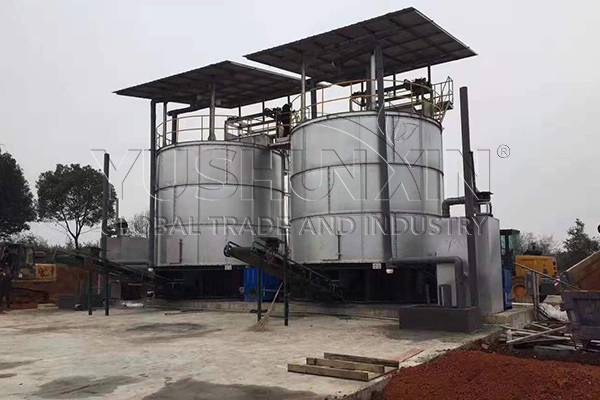
When space is limited or odor control is a priority, in-vessel composting systems offer an efficient alternative. Here, materials are decomposed inside a sealed container or organic fermentation tank, where temperature, aeration, and moisture are automatically regulated.
This aerobic composting method allows faster decomposition—often within two to three weeks—while minimizing odor and leachate emissions.
It’s a preferred solution for urban composting centers or high-value biofertilizer manufacturing plants.

organic vertical fermentation pot

3. Trench or Groove Composting for Continuous Production

Another common biocompost production method is the trench or groove system, where organic materials are placed in long concrete channels.
A rail-mounted compost turning machine moves along the grooves, mixing the material layer by layer. This method combines the efficiency of mechanical turning with the consistency of a semi-enclosed setup, making it ideal for mid-scale operations.
It can handle a wide range of raw materials, from cow dung to crop stalks, and allows continuous feeding and harvesting of compost.

groove composting machine

4. Key Factors Influencing Compost Quality

Regardless of the biocomposting technique chosen, several conditions determine success:

Carbon-to-nitrogen ratio: Ideally 25–30:1 to balance microbial energy and growth.

Moisture: Should remain between 55–65% for active decomposition.

Temperature: Reaches 55–65°C during thermophilic stage for pathogen reduction.
Modern composting systems often include sensors to track these parameters automatically. Click here to get more!

Conclusion

Different biocompost preparation methods suit different production goals.
Windrow composting provides flexibility, in-vessel fermentation ensures precision, and trench systems offer continuous throughput.
By combining the right method with appropriate composting machinery, producers can achieve stable, nutrient-rich organic biofertilizer while efficiently managing agricultural waste. Welcome to visit: https://www.biofertilizerproduction.com/product/how-to-compost-biofertilizer/